Birds in the Colca Canyon

The Colca Canyon is a paradise characterized by great ornithological diversity, with the “Andean condor”, the “perergrin falcon” or the “kestrel” as the most representative species.

The Andean condor is a species of bird that lives in the Andes mountain range and can be seen in all its splendor in the Colca Canyon, it is the largest bird in the entire Western Hemisphere.

It is primarily a scavenger bird, which feeds on carrion. It nests between 3,000 and 5,000 meters of altitude, generally in inaccessible rock formations. It is one of the longest-lived birds, being able to reach the age of 50 years.

Let’s see other birds that we find in the area:

Aquatic birds: They have morphological modifications for swimming and diving. Especially notable are the size of the legs and the shape and size of the beak, which are specially developed adaptations for the various types of existing diet.

They are found in lagoons, wetlands, and rivers. There are the Ajoyas or Gallaretas, Gallinetas, Ducks, Flamingos, Avocetas, Seagulls, Andean Geese or Huallatas, Bandurrias, Yanavicos and other small birds. All of them in close association with the water where they find sustenance and way of life.

Small birds: They are found in narrow streams and low shrubby areas, birds find good shelters that protect them from cold and wind, from insolation and offer them greater humidity and vegetation. Here we find the largest number of birds
small: Sparrows, Fringilos, Canasteros, Bandurritas, Pepiteros and Picaflores.
Giant Hummingbird: They have developed a unique feeding strategy. Hummingbirds have long beaks and an even longer tongue, which they introduce into certain tubular flowers, on which only they can feed. The plant attracts them with its color and offers them its
sweet nectar.

In return, hummingbirds carry pollen to other flowers in a phenomenon called pollination, which allows the flowers to fertilize.

Eagles: The Great Eaglet, the Common Eaglet and the Mountain Eaglet stand out, they are identified by their short tails and more or less rounded wings.

Hawks: They are similar to eagles but with a longer tail and a white spot on the rump. Young brownish eagles and hawks are known as “checks.”

Falcons: They are birds with long tails and thin, pointed wings, which are useful for high-speed flights, especially in a dive. Rare in the area is the peregrine falcon which is a migratory bird. The kestrel is a small hawk, the larger the retriever. They all nest in high places that are difficult to access.

Barn Owls: They are nocturnal and have a silent flapping, we find the Barn Owls, the Owls and the small Barn Owls, looking for prey. The first two are specialists in rodents and are their greatest source of control; the latter feeds mostly on insects and rodents, it also hunts during the day.

Owls receive the Quechua name of “Tucos”; It is an onomatopoeic word that recalls the sound they emit.

Nightjars: Also nocturnal, they are avid hunters of insects in flight. They have the ability to remarkably open their mouths, as they do not have the corners of their beaks joined like most birds.

They tend to rest in shady places during the day and their plumage presents one of the most perfect camouflages to blend in with the ground. They generally live at low altitudes and in sheltered places.
Medicinal Plants of Peru

Medicinal plants have accompanied humans since ancient times, there is no culture that has not developed its own medicinal flora, which is generally transmitted by oral tradition. Until a few decades ago the recognition of these plants was still part of the medical study and also of wide popular knowledge.

The increasing urbanization and consequent distance from the wild sources of medicinal plants has led to a growing ignorance of their natural presentation. Although most people believe they can recognize a medicinal plant by the shape of its leaves, its smell or other characteristics, the specific recognition of a plant is only possible if you have its sexual organs, that is, if you have its flower. This floristics of medicinal plants is little known although it would have a practical use by allowing us to recognize exactly that we are facing the medicinal plant that we are looking for and not against another species with similar characteristics of its leaves or stems.

A peculiarity of medicinal plants is that some of them have flowers of unusual beauty. In the following selection we show some flowers of medicinal plants that stand out in some cases for their wide use and in others for their variety and diversity of therapeutic uses, but at the same time they have inflorescences of particular and peculiar beauty. All the photos correspond to the botanical gardens of medicinal plants of the National Center for Intercultural Health (CENSI) of the National Institute of Health, in Lima, Peru.

These gardens are unique in their kind in our country as they preserve more than 500 different species of medicinal plants, most of them Peruvian, thus allowing their visitors not only to learn more about the traditional properties of plants but also to delight in the rare beauty of its flowers.

CEDRON (Aloysia citrodora Paláu)

Native South American shrub, also known as aromatic verbena, It was introduced to Europe since the 16th century. In popular medicine it is used in the form of an infusion as a stomach tonic and the treatment of indigestion. In traditional Peruvian medicine, broader uses are reported, including respiratory conditions as well as gastrointestinal. An antioxidant effect has been scientifically proven.

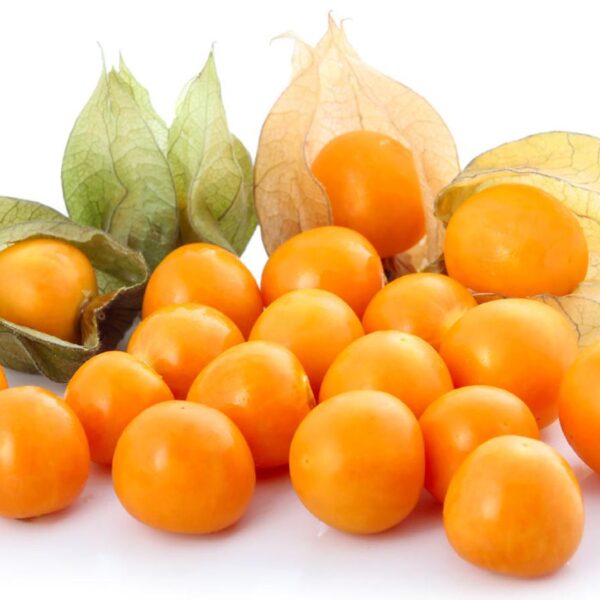
AGUAYMANTO (Physalis peruviana L.)

Native Peruvian plant, its fruit is known as cape gooseberry in the Amazon and in English as goldenberry, it belongs to the same family (Solanaceas) as the potato and tomato, it has spread throughout America and much of Africa, where it is grown commercially. In addition to its use in food, its antioxidant and antitumor effect in lung cancer has been proven.

ACHIOTE (Bixa orellana L.)

South American shrub known for its seeds that contain the pigment annatto or bixin widely used in the food industry. Its traditional, very wide uses, include from the ritual use of its coloring to the use of the leaves for their antimicrobial and antifungal properties.

CANTUTA (Cantua buxifolia Juss. Ex Lam)

National flower of Peru, in Inca times it was consecrated to the sun or Inti and for that reason its wide diffusion. The inflorescence was used in folk medicine against coughs and for inflamed eyes. The decoction of flowers and branches is used against diarrhea.

YAWAR PIRI PIRI (Eleutherine bulbosa (Mill.) Urb)

Traditionally used for fertility problems and gynecological diseases. Other traditional uses include it as a Vulnerary, plants used to treat superficial wounds and ulcers. Its antibacterial and antifungal effect has been demonstrated.

CAIGUA (Cyclanthera pedata (L.) Schrad)

Climbing plant native to the Peruvian coast and widespread in the Andean area of ​​all South America; well known for the nutritional use of its fruit, traditional uses are reported for liver diseases and diabetes. In popular medicine it is used in weight-reducing diets and blood pressure control.

GUANABANA (Annona muricata)

Native tree of Peru, widespread throughout South America, its fruit, also known as graviola, is widely known Its leaves and bark are traditionally used in a wide variety of digestive and respiratory ailments, in recent years a supposed anti-cancer effect has spread. There is no evidence of such an effect in humans, although antitumor effects are reported in animal tests.

YUCA (Manihot esculenta Crantz)

South American shrub, whose root, also known as cassava, is widely used as food. Its leaves are traditionally used for skin infections, itching, burns or eruptive diseases; other uses include it as an antiparasitic.

PASSION FRUIT (Passiflora edulis Sims)

Amazonian vine whose complex flower has given rise to various interpretations, including theological ones. Its fruit is used as a flavoring or to make refreshing drinks; Its dried leaves are traditionally used “for the nerves” with a calming or even hypnotic effect, it is also reported as an antipyretic and for skin problems.

CHACRUNA (Psychotria viridis Ruiz & Pav)

Native plant of the Peruvian Amazon is used as a purgative, but its most widespread use is in joint cooking with Banisteriopsis caapi (ayahuasca) to make the concoction used in the ayahuasca ritual. Its psychoactive properties limit its self-medication in traditional medicine, and it can be used only by traditional healers.

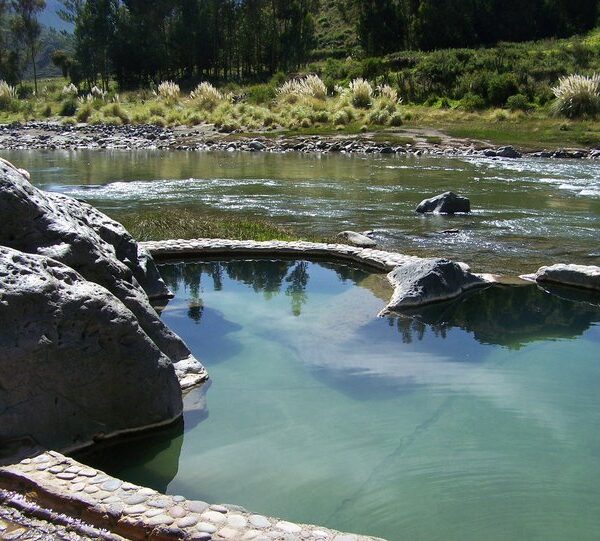
Hot Springs Colca

The Colca Valley, in the Arequipa region, is not only a magnificent setting for the enjoyment of nature, it also offers various places for health care, among which the thermal baths located in Chivay, Yanque, Callalli, Coporaque stand out. and Caylloma.

And it is that the province of Caylloma has become an excellent destination for lovers of thermal tourism, who can enjoy the benefits of thermal waters: therapies to take care of health, massages to forget the stress of day to day, or treatments to improve the condition of the skin; in short, a wide range of possibilities available to everyone.

Upon reaching the Colca Valley, the tourist can choose to visit public or private thermal baths. Among the public are the thermal baths La Calera in the district of Chivay, Chacapi in Yanque, Baños del Inca in Callalli and Coñeymayo in Caylloma.

La Calera and Chacapi

Located 5 kilometers from the town of Chivay, the La Calera thermal baths offer five pools heated to 38 degrees Celsius, which allow you to bathe in its waters and enjoy its healing properties on ailments related to bones, muscles and skin.

Calera waters contain 30% calcium, 19% zinc and 18% iron, elements that relieve muscle and bone pain.

Here tourists can also visit a small natural archaeological museum of Colca, walk on the suspension bridge and enjoy a magnificent view, as the complex is located on the edge of the Colca River.

The Chacapi thermal baths are located 2 kilometers from the main square of the Yanque district, its waters that reach maximum temperatures of up to 50 degrees Celsius also have healing properties for rheumatism, arthritis, among others. The spring is on the other side of the river and has 2 pools.

Both complexes offer topical services, massages, rental of clothes and food baths; so they are highly recommended. Admission to these places ranges from 1 to 15 soles, depending on the pool chosen.

Inca and Coñeymayo Thermal Baths

The Inca Thermal Baths, located at the entrance to the Callalli district, which can be reached after a 20-minute walk, have heated pools, the visitor can enjoy a pleasant moment of relaxation.

If the tourist visits the upper area of ​​the province, exactly the Caylloma district, located at an altitude of 4,310 m.a.s.l., they will be able to enjoy the thermal waters of Coñeymayo, which are located 1 kilometer from the town. This place has two heated pools.

Attractions of the Paracas National Reserve

Peru is a country with spectacular natural destinations like the Paracas National Reserve. Located just three hours south of Lima, where the desert meets the sea, this natural paradise offers a world of fascinating experiences to its visitors: sailing its islands in the company of sea lions, bathing on its quiet beaches or admiring its great biodiversity are some of the many activities that the reserve offers.

Spending a few days in this place provides unforgettable moments knowing all the wonderful attractions that you can find and enjoy. For this reason, we will tell you which are the most valuable pearls that this place hides.

Islas Ballestas (Ballestas Islands)

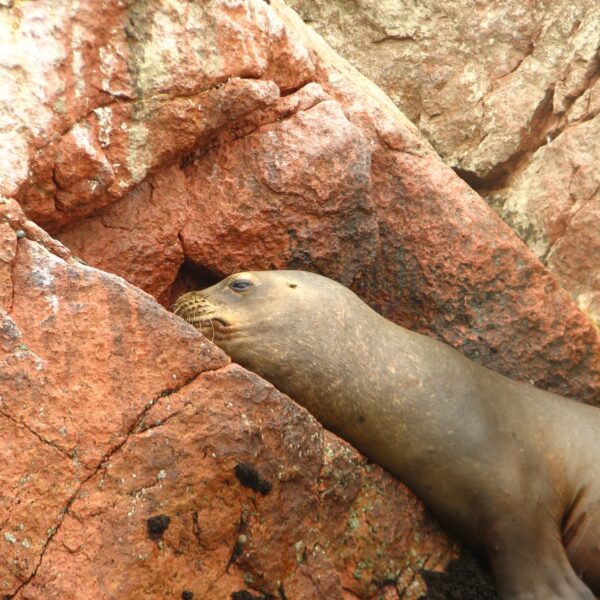
One hour from the coast are these pleasant islands. From the boat you will observe a spectacle that begins with the pelicans flying over the water. Then it will be the Humboldt penguins who will gather on the shore to welcome you, and, finally, hundreds of sea lions will greet along with their young roaring from the rocks.

Some of them even swim towards the boats to be caressed by people. Do not forget to carry a good camera to immortalize the moment.

La Mina, El Raspón and La Roja Beaches

Some of the most beautiful beaches of Peru are located in this reserve. La Mina and El Raspón are the most popular for visitors who arrive to bathe in its calm waters, enjoy the sun and rest on the sand. In addition, they are home to many birds that come to its shores.

In La Mina it is possible to practice diving and line fishing. In its surroundings, you can see a series of holes that in the past were coal mines. Very close to this beach is El Raspón. Because of its peaceful waves and its rock-free shore, it is an excellent destination to go with children.

Another important beach is La Roja, owner of a unique and dazzling landscape tinged with red due to the multiple volcanic eruptions that developed in the Pacific Ocean. While bathing is not allowed on this beach, it is a very good place to take pictures.

El Candelabro (The candelabrum)

Located on a sand cliff on the north coast of the reserve, this geoglyph is very similar to those found in the Nasca desert. It is 181 meters long, so it is possible to observe it from 20 km of distance. Its engraving is attributed to the Paracas culture and dates back to 200 years B. C.

It was declared Cultural Heritage of Peru and it is believed that it served to guide the ancient fishermen of this town during their activities, which shows the ingenuity and skill that characterized this civilization.

This geoglyph is very similar to those found in the Nasca desert.

Julio C. Tello museum

It is located inside the reserve. It received that name in homage to the Peruvian archaeologist who discovered the pre-Hispanic cultures Chavín and Paracas. This place exhibits more than a hundred pieces, including ceramics, textiles, tools and weapons that the Paracas culture used between the years 700 B.C. and 200 A.C. It also shows the famous ‘fardos funerarios’: large bundles covered by thin layers of embroidered cloth that wrapped a corpse in a fetal position.

This cultural space was recognized in 2018 as the Best New Museum in Latin America at the Leading Culture Destinations Awards, making it a mandatory stop to learn more about the history of the reserve and the ancient Peruvians.

The Andean Condor, Majesty on the Sky

Lord and master of the Andean sky, the condor amazes everyone who has the privilege to observe its majestic flight. Its impressive wings can reach three meters in length when extended, and its black-tinted plumage contrasting harmoniously with the white of its collar, produce a fascinating spectacle and a sensation of absolute freedom in the heights.

Currently, it is possible to witness the condor in all its splendor in the mountainous regions of Peru, such as in the Colca Valley in Arequipa, the Moyobamba Canyon in Ayacucho or in the Cusco community of Chonta, whose sanctuary of condors is frequently visited. It is also common to see the condor in some areas of the Peruvian coast where it takes advantage of the strong currents of marine winds.

A Deity for Inca culture


Historically considered a sacred bird in Peru, the Andean Condor has witnessed the origin and splendor of many ancient cultures and civilizations by acquiring a symbolic role in many of them. The condor has even been represented in ceramics, paintings and looms. The Incas were among its greatest admirers: they came to consider it a divinity in charge of uniting heaven with earth.

This mystical relationship is demonstrated in one of the main temples of the Machu Picchu sanctuary where the figure of the condor lies engraved in detail on a large stone. Historians assure that it is possible that this effigy was used as a sacrificial altar, since it was believed that condors were capable of raising the spirits of the dead to heaven.

According to the Andean worldview, this ancient species belongs to a sacred trinity along with the cougar and the snake, representing the sky, the earth and the world of the dead, respectively. Currently, many Andean communities in Peru celebrate traditional rituals known as the Yawar Fiesta or “blood festival”, where the condor is the main figure.

A Bird Filled with Charm and Curiosities


Among the most interesting qualities of condors is their loyalty. Once they find a partner, they are able to keep it for life. Another interesting fact is that they fulfill a valuable ecological function. Being a scavenger bird, the condor accelerates the descomposition process of dead species and thus prevents the proliferation of disease-causing microbes.

With a long pointed beak, the condor can easily tear food, while its eyes located at both ends of its head allow it to identify dead animals at a great distance.

The condor is also one of the species with the longest life span in the world, living up to 80 years. Its reproductive cycle reaches maturity at the age of eight and lays eggs every two years, making it an animal in danger of extinction due to its low rate of descent. That is why its care and conservation are a priority not only in Peru, but in the continent, where important measures are being taken by governments to guarantee the protection and quality of life of these majestic bird.

Horseback Riding in Colca

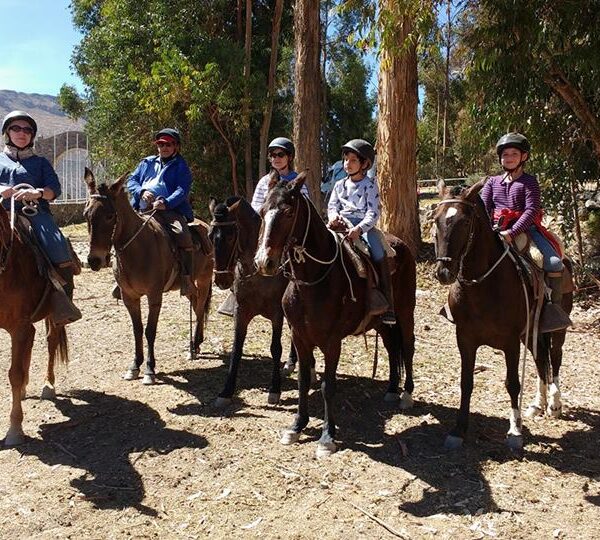
Typical Andean landscape surrounds one of the deepest canyons in the world: Colca Canyon. This is the perfect place for adventure as well as relaxing horseback riding, all under the king of these skies, the condor.

Horseback riding itineraries usually begin at the Cruz del Condor viewing point or Yanque town, from where it is possible to appreciate the full splendor of the canyon. And, of course, it is always possible that both horses and riders may be surprised along the way by a vigilant condor. This imposing natural setting, where you can find also the most beautiful fauna and flora.

Colca Canyon is one of those places in Peru that seem to have everything for enjoying a nice time and relax under the Andean sky.

Perou Voyage offers a 2 days tour horse riding in the Colca Canyon.

Adventure Activities in Colca Canyon

Colca offers a variety of incomparable activities for those in search of adventure activities: like hiking, biking, fishing, kayaking, etc.

First, there is the river, famous for its 300 rapids and for flowing through one of the deepest canyons on the world (4 160 meters). The best-known route runs from the small town of Chivay or Sibayo, the place where visitors can find accommodation with a local family or in a hotel or hostel, for around 40 kilometers, past Cabanaconde and on to Tapay.

And the adventure has only just started. This broad, imposing green valley surrounded by high mountains is home of the Andean Condor, which can be seen often, sometimes at close quarters, in the early mornings. And if you’re looking for more, then you can visit the ancient agricultural terracing, local thermal pools, or the nearby villages with their beautiful churches.

This magnificent natural setting also offers a number of adventure sports options, including trekking, mountain biking and rafting. It is also possible to explore the canyon on horseback, or descend on foot to admire its depths. You couldn’t ask for a more adventure-filled destination. This is Colca.

Live Inti Raymi From Cusco

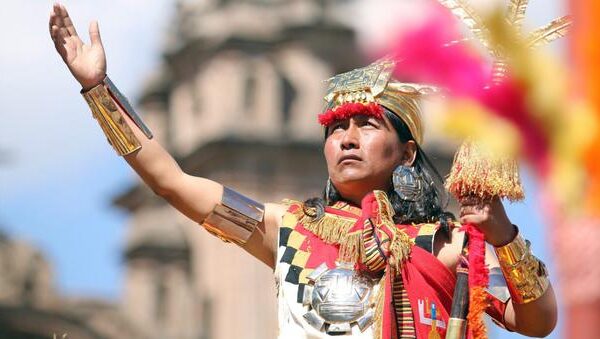
The ancestral ceremony that has the Sacsayhuamán esplanade as its main stage will be broadcast by open signal from the Peruvian State channel, which generates expectations worldwide. TVPerú will broadcast for the entire country and the world the staging of the millennial Inti Raymi Sun Festival.

It will be an unprecedented broadcast that begins at 11 AM. In the same way, the public will access to the signal through the web, Facebook live and the mobile application of TVPerú. The public also can comment on social networks with the hashtag # IntiRaymixTVPerú.


The cultural expression will also show the reactivation of Cusco as a safe travel destination whose main factor of development is tourism. The Inti Raymi will be a window to the world, everyone awaits at the international level this festival, this sacredness, and from that we have to relaunch tourism now that we already have greater protection of the population.

Finally, it was reported that the staging of the Inti Raymi will be on Thursday June 24 in its three stages, the Inca temple of Qoricancha, Plaza de Armas and Sacsayhuamán. More than 1,000 police officers will ensure safety. For that day, restrictions for pedestrian traffic are expected in order to avoid crowds.

Where to watch: https://www.tvperu.gob.pe/play

Photographer: Juan Sequeiros