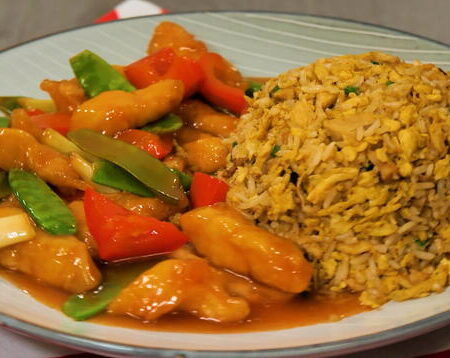
The Delicious Arroz Chaufa

The delicious arroz chaufa is one of the most popular and consumed recipes by Peruvians. It is common to find a chifa in each district that has fusion dishes on its menu, which has different variants and ingredients for the taste of diners.

For this reason, you will learn more about chaufa rice, such as its origin, preparation, the types and ingredients it contains and what the word chifa means; just as we did in the grilled chicken note.

What is the origin of the Arroz Chaufa?

The history of this dish begins at the end of the 19th century, with the arrival of Chinese immigrants to Peru. The Asian community worked in all types of jobs, mainly on the country’s coastal farms. As part of the payment for their work days, they received a daily ration of rice, combined with spices.

The use of this ingredient and others brought from China, such as soy sauce, seeds and kion, together with the custom they had of taking advantage of the previous day’s food, helped the creation of a dish that used cooking techniques in the frying pan. This is how chaufa rice was born, a word that comes from the Cantonese word “chaofan”, which means fried rice.

As the years went by and when they left jobs on the haciendas, the coolies opened small restaurants that were well received by Peruvians, since the cooking methods and the exquisite flavor of their recipes attracted attention.

The great popularity that chaufa rice achieved in the country meant that it was successfully adapted in different regions of the country, such as seafood chaufa, quinoa rice or Amazonian rice.
What is the origin of the word chifa?

The origin of this word dates back to the same years in which chaufa rice was born, when a new expression was included in the lexicon of Peruvians when they wanted to name the restaurant where they sold the dishes made by the coolies.

It is “sec fan”, which means “come eat rice”, which later led to “shic fan” or “chi fan”, both of which were adapted to the Spanish language as “Chi fa” or simply chifa.

Puno The Best Experience in 2024

Puno, the border department with Bolivia, is surrounded by beautiful landscapes, among which Lake Titicaca with its admirable beauty.


Puno, a city that stands on the shore of Lake Titicaca, is a gateway to a world of wonders that deserves to be discovered.

Located at 3,800 meters above sea level, the city offers a series of first-class activities.

Puno The Best Experience in 2024


Religious City

The tour starts in la Plaza de Armas, its cathedral and the church where the Virgen de la Candelaria is located, fervently venerated every February with Catholic traditions and symbolic elements of the Andean worldview.

The Cathedral of Puno was built in the 18th century, as a symbol of Spanish colonization in the region. The baroque façade, made of volcanic stone, has 12 figures, among them two mermaids that, explained in the bishop’s own words, represent Lake Titicaca, and two pumas, which represent the underworld.


Five blocks away is the San Juan church, home of the Virgin of Candelaria, patron saint of the department. Every year, in the month of February, Puno transforms into a scene of religious fervor and celebration, when thousands of dancers, musicians and faithful gather to pay tribute to the Virgin during the Candelaria festival.


Refuge of Nature

Lake Titicaca is the highest navigable lake in the world. Its serene and crystalline waters are witnesses of the legend of the god Viracocha, who emerged from the depths and created the sun (Inti), the moon (Mama Killa), the stars and the first people.

Located half an hour north of Puno, the Titilaka Hotel is a resort that offers a privileged view of this national reserve.

Isolated from any contact with reality, it is the ideal place to enjoy peace and tranquility through excursions and walks around the lake.

With modern architecture and decorated with unique textiles such as tapestries, rugs and blankets, the gastronomy it offers is a unique experience. Ceviche with trout as the main figure, artisan breads, proteins accompanied with quinoa and fresh vegetables.

The hotel offers a culinary experience that highlighted the simplicity and excellence of local cuisine.

If you are one of those who like adventure, you can even take a kayak ride on the lake and admire the beauty of the place.


Spiritual Renewal

Trhough your trip to Puno, you will reconnect with nature and inner peace. If you are a person looking for starting 2024 refreshed, don’t miss the opportunity to do so through a concert of quartz bowls and crystal bells right at sunset.

The Amaru Muru Portal is an archaeological enigma that stands in the town of Ilave. This mysterious place defies logic and baffles researchers due to its alignment with astronomical events.

The Collas used this place to mark solstices, equinoxes and other phenomena of importance in their worldview.

Also known as The Devil’s Portal, it is carved into a huge red granite stone that rises up to 7 meters high.

The place is ideal for meditation and recharging energy. Its remote location and lack of tourist attention keep it in a state of serene solitude, making it a special destination for travelers in search of authenticity.

Good news! The Inca Trail to Machu Picchu Reopens For All Tourists

On Wednesday, March 1st, the Inca Trail to Machu Picchu Reopens for all tourists: national and foreign tourists.


Good news for hiking lovers! The famous network of Inca Trails that leads to Machu Picchu is enabled for all tourists. On Wednesday, March 1, the trail was enabled, after conservation and maintenance work by specialists from the Decentralized Department of Culture of Cusco (DDC Cusco).

The director of the DDC, Maritza Rosa Candia, was the one who gave the excellent news and mentioned that the Inca Trail network is in optimal conditions. This is in accordance with a technical file and the work articulated with the National Service of Areas Protected by the State (Sernanp).

In addition, she maintained that the security for the access of local, national and foreign visitors is guaranteed and stressed that it is necessary to take the services of a formal tourism agency to make use of and undertake the exciting journey.
“The works consisted of preparing drains for rainwater, protecting wall heads, stairway protection, retaining walls, cutting vegetation, everything that concerns us and we have already concluded as a culture,” she mentioned.

The evaluation of some vulnerable places where rockfalls can be recorded is still being carried out. This is to protect the lives of visitors. “We have to assure our visitors, where they can stop, where not, where they can rest,” she said. “Culture does the heritage preservation work and the Sernanp the natural part of the sanctuary,” she stressed.


Why Wasas the Inca Trail Closed?

The closure of this pre-Hispanic road network was closed due to maintenance. The works consisted in the cleaning and maintenance of walls, enclosures, stairways, fountains, canals and internal spaces of the archaeological monuments located throughout the network, such as Patallaqta, Sayacmarca, Phuyupatamarca, Wiñaywayna, Intipunku, among others.

Cleaning work was also carried out on cobbled paths, ditches, stone and wooden pontoons, handrails, rest areas, restrooms, the signaling system and the Huayllabamba, Pacaymayo Alto and Wiñay Wayna camps.

Machu Picchu: Peru Announces The Reopening of the World Wonder

In the midst of the protests, the authorities held a meeting and reopened the wonder of the world Machu Picchu: Peru after it had been closed since January 20.


In the midst of the protests against the Government of Dina Boluarte, the Ministry of Culture, through the Decentralized Directorate of Culture of Cusco, announced the reopening of the entrance of visitors to Machu Picchu. Through a statement, he reported that “everything is ready for the reopening of the llaqta inka.” The measure is ordered after the facility remained closed since January 20.

The decision would have been made in a multisectoral meeting held between the authorities, such as the director of the Decentralized Directorate of Culture of Cusco, Maritza Rosa Candia; the head of the National Service of Natural Areas Protected by the State (Sernanp), José Carlos Nieto; the head of the Machupicchu National Archaeological Park, Zenobio Valencia; the director of the Regional Management of Foreign Trade, Tourism and Crafts (Gercetur) of Cusco, Abel Matto; the technical secretary of the UGM, Elvis Flores; and other representatives.

According to the director of the Decentralized Directorate of Culture of Cusco, there is a high demand for visitors seeking access to the wonder of the world.

In this sense, she asked the authorities to guarantee the security of the archaeological center, and the integrity of tourists and workers.

According to the Ministry of Culture, national and foreign citizens may reschedule their visit to Machu Picchu with the same tickets initially purchased; otherwise, they may also request their money back.

Learn to Cook Recipes From Peru

The gastronomy of Latin America has increasing weight in the culinary world. Peru is one of the most outstanding countries for its gastronomy. In addition, you will find restaurants that offer the best typical dishes of the country. Peruvian gastronomy is very abundant and you can find recipes from all regions.

Whoever has had the joy of tasting the dishes of the Coast, Sierra and Selva, knows very well how rich and good food is in Peru.

If you have never had the opportunity to demonstrate your culinary skills, your time has come. An essential requirement is to be in good spirits. Experts say that when cooking it is important to be happy, so now you know. Obviously, the ingredients are essential for the dish you are going to prepare to come out appetizing.

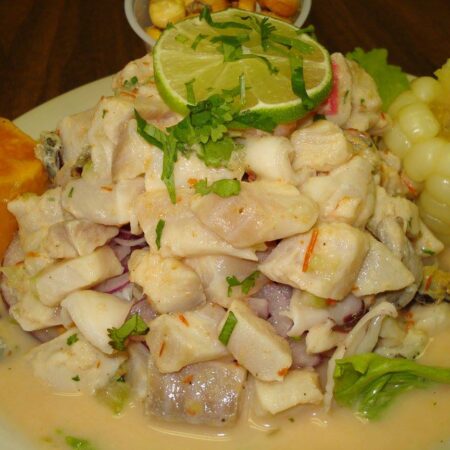
Ceviche

This dish has been very successful and has spread to different Latin American countries. There are different ways to prepare it and it is difficult to say that only one is correct. This easy recipe invites you to discover how to prepare a Peruvian ceviche.

Ingredients to make Peruvian Ceviche:

  • 1 pinch of pepper
  • 1 kilogram of fish of your choice
  • 1 onion cut into julienne strips
  • ¼ cup chopped cilantro leaf
  • 1 chopped yellow chili
  • 1 chopped chili pepper (to decorate)
  • 12 lemons
  • 1 pinch of salt and pepper
  • 1 cup of fish broth
    To accompany:
  • 1 boiled sweet corn
  • 1 boiled sweet potato (sweet potato or sweet potato)
  • 1 bunch of lettuce leaves
  • You may also be interested in: Peruvian sea bass ceviche
    How to make Peruvian Ceviche:

The first thing you must do to be able to prepare the easy Peruvian ceviche recipe is to squeeze the 12 lemons to extract their juice, save it for later. Then, cut the fish into pieces of approximately 3 centimeters. Place the pieces in the container that you will use to serve the dish.

Mix the fish with the chopped yellow pepper, the fish broth and the cilantro. Also place the onion cut into julianas and the crushed garlic. Let it rest for a few minutes so that it marinates well and soaks up all the flavors.

Season to taste and place the boiled sweet potato, lettuce and sweet corn, also boiled, on one side of the plate.

Then, pour the lemon juice all over the plate so that everything is well covered. Finally, cut a slice of red chili pepper and place it as a decoration. Reserve it in the refrigerator to cool, since this is a dish that is served cold. Peruvian ceviche is a dish that acts as an appetizer, so you can accompany it with rice with shrimp or a delicious salmon with shrimp sauce. Ready to eat!

Peruvian Cebiche – Suggestions and other recipes


There is no single way to prepare ceviche. The original Peruvian cebiche recipe can vary in ingredients depending on the region where it is prepared. However, all good ceviche must have a good quality fish and be marinated in coriander, chili pepper and lemon.

In the event that you want to learn how to prepare ceviche, you can start using fish such as sea bass, sea bass, hake or monkfish. Likewise, you can vary the garnishes and accompany your dish with some delicious green plantain or toasted corn chips like the one we have used in this recipe for tilapia ceviche with toasted corn.

If you want to know other alternatives, discover all the ceviche recipes that we have in RecetasGratis. You can start with these!

Ceviche de pota
Ceviche de merluza
Ceviche de gambas
Ceviche de lubina
Ceviche de pescado
Tartar de salmón con aguacate y mango
Ceviche mexicano de pescado
Ceviche de pescado ecuatoriano
Ceviche de camarón y palta

Aji de Gallina

This is one of the most popular dishes in Peru. It is said to have its origins in the Catalan “menjar blanc”, a salty version of the white manjar dating from medieval Spanish times, and was prepared with chicken, rice starch, almonds and sugar.

Ingredients


3 Shredded, Cooked, Boneless Medium Chicken Breasts
2 carrots
1 celery
3 bay leaves
6 garlic cloves
1,diced medium onion
Salt and pepper to taste
1 ají amarillo or 2 tablespoons Peruvian ají amarillo paste
6 slices of white bread (cut off the edges)
3/4 cup evaporated milk
1/2 cup of chicken broth
2 tablespoons of ground walnuts
4 medium cooked potatoes cut into wheels
3 hard boiled eggs (to decorate)
10 black olives (to decorate)
curly parsley to decorate


Instructions


Place the breasts in a pot with water over medium to medium high heat, add the carrot, bay leaves, celery stalk, salt and pepper to taste. Bring to a boil, then lower the heat and cover for approximately 30 minutes. Drain the breasts and let them cool before shredding them. Reserve the broth.


Soak the bread wheels in the milk.

In a pan with two or three tablespoons of oil over medium to medium high heat, fry the onion and then add the garlic and yellow pepper, cook for approximately 5 minutes, stirring constantly.

Add the soaked bread and half a cup of chicken broth, if necessary add more milk and cook for 8 more minutes. Add the breasts and ground nuts, mix well. Decorate with potato wheels, egg, black olives and sprigs of parsley.

Lomo Saltado

It is a very popular dish of the so-called fusion cuisine that combines the Chinese gastronomy tradition of sautéing food with Peruvian ingredients such as ají amarillo, cilantro and tomato. This dish is accompanied with white rice and French fries.

Ingredients


1 pound of beef tenderloin cut into thin strips
2 garlic cloves, finely chopped
Salt*
pepper to taste
3 tablespoons of vegetable oil
1 small purple (red) onion, cut into thick slices
2 plump tomatoes, cut into thick slices
1 ají amarillo, seeded and deveined, cut into thin strips
2 tablespoons of soy sauce
3 tablespoons of red wine vinegar
1/3 cup beef broth (beef broth)
1/2 cup fresh cilantro, coarsely chopped
2 French fries cups
White rice as a side dish


Instructions

Season the meat with garlic, salt and pepper.

Place a wok or skillet over very high heat. Add the oil and sauté the meat, a few strips at a time (2 minutes per batch) so they don’t sweat, but brown.

Add the onion, tomato, and chili pepper and sauté everything for approximately 2 to 3 minutes. The tomatoes and onion should be crisp, not mushy. Add the soy sauce and vinegar to the sides of the wok or pan and mix everything together. Add the meat (beef) broth and cook an additional 1 1/2 minutes. Taste it to adjust the seasoning.

Turn off the heat, add the chopped cilantro and serve immediately with French fries and white rice.

Arroz con Pollo

It is one of the favorite dishes of Peruvian families, it can be prepared with duck or chicken. It is very delicious and has many variations. The rice can be made grained or as a risotto. Although it is green and contains a lot of cilantro, its flavor is very subtle.

Ingredients for Peruvian chicken rice


Between 4 and 6 chicken pieces
125 ml Primor oil
1 onion chopped into small squares (100 gr)
6 gr of minced garlic
Ground green chili to taste
125 ml of coriander ground
15 gr of ají panca paste
375 ml stout (optional)
450 grams of rice
200 grams of peas
200 gr of shelled corn
200 gr of chopped carrot
100 g bell pepper cut into strips
Boiling water in the necessary amount
30 grams of Golden Seal margarine
Peruvian chicken rice recipe
Preparation of Peruvian chicken rice

Wash the chicken and dry it. Cut it into pieces, season with salt and pepper and fry in very hot Primor oil and Sello de Oro margarine.

Chicken wash and dry icon for Peruvian chicken rice recipe

Remove the chicken and, in that same oil, add the Sello de Oro margarine and brown the garlic, onion, chili pepper, cilantro and also the chili paste

Add oil icon for Peruvian chicken rice recipe

Put the pieces back, add the beer (optional) and cook until the chicken is done.

Icon add prey in pot for Peruvian chicken rice recipe

Remove the pieces and keep them warm.