
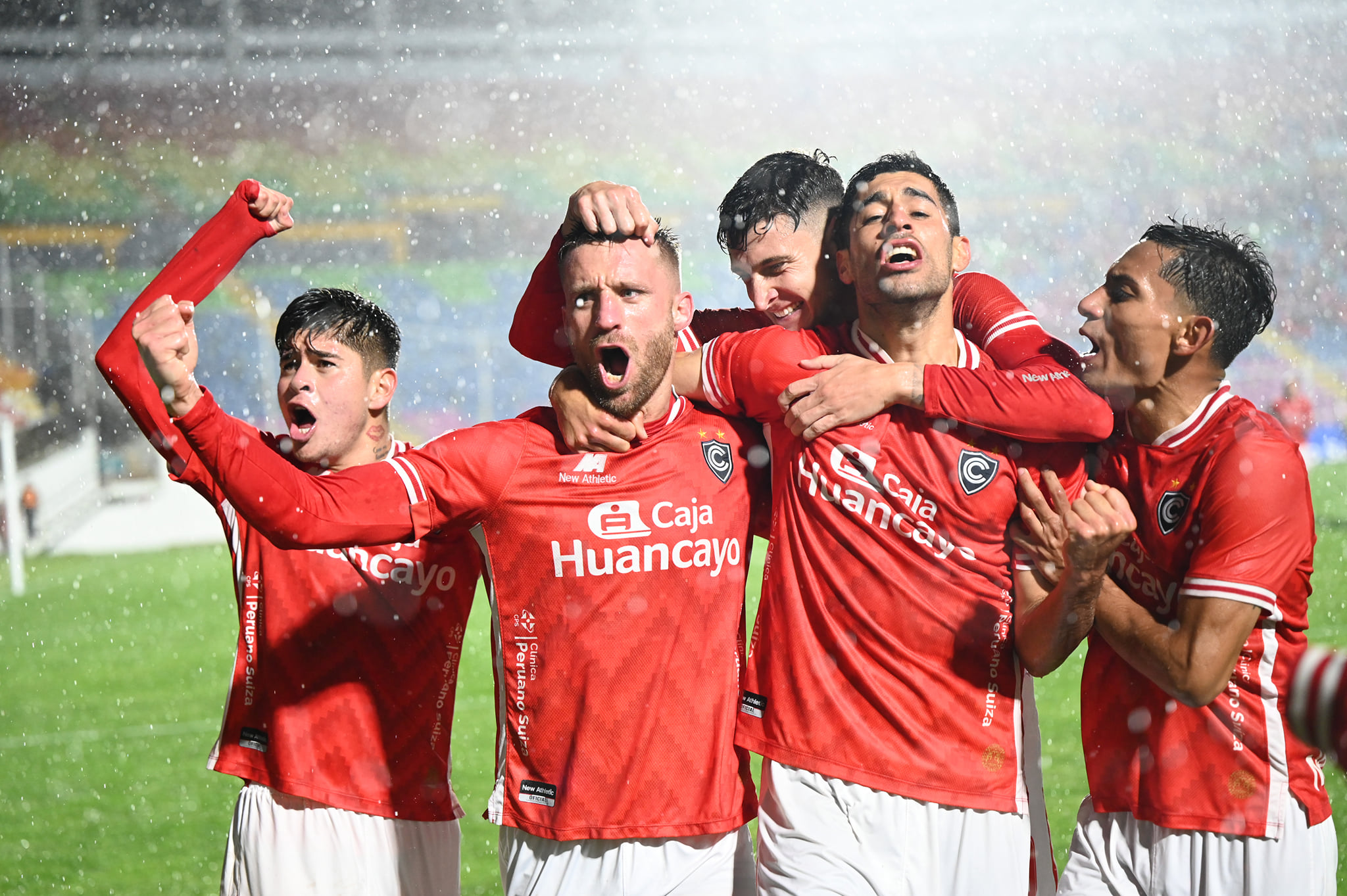
The Peruvian Soccer is the most popular sport in Peru. It was introduced in the second half of the 19th century, probably by British immigrants residing in the country, by English sailors passing through the port of Callao, or by young Peruvian aristocrats who were students or had graduated from schools and universities in the United Kingdom.
History of The Peruvian Soccer
According to the historian Jorge Basadre, the first record of a soccer match in Peru corresponds to Sunday, August 7, 1892, the date on which the English and Peruvians played representing both Callao and Lima.
The Lima Cricket Club and Lawn Tennis organized soccer matches in the Santa Sofía field. During the Pacific War, the destruction of several coastal cities, including Lima, stopped the spread of this and other sports in Peru for a while.
Soccer Amateur
The Lima Cricket and Lawn Tennis sports club organized the first championships among its members – English immigrants and workers – in 1885 and 1888. In December 1893, a group of young Peruvians founded the “Unión Cricket” for the practice of tennis and Cricket, which, however, would become the first national club to play soccer. On December 22, 1896, the Unión Ciclista Lima was founded, another team initially created to practice a different sport (cycling).
On May 20, 1897, students from various schools in Lima (Labarthe, Guadalupe and the Convictorio Peruano) founded the Soccer Association Club, the first club founded expressly for the practice of soccer (which would later merge with the Ciclista Lima). In 1899, Callao sees the birth of its first football club, Atlético Chalaco.
In the early 20th century, various Peruvian cities developed their own football clubs and leagues. Among those that stand out, Alianza Lima (Lima, 1901), Cienciano (Cusco, 1901), Athletic Club José Pardo (Iquitos 1906), FBC Melgar (Arequipa, 1915), Circolo Sportivo Italiano (Lima, 1917), Atlético Grau (Piura, 1919), Alianza Atlético (Sullana, 1920), Universitario de Deportes (Lima, 1924), Sport Boys (Callao, 1927), and Coronel Bolognesi (Tacna, 1929).
Despite the fact that soccer grew rapidly in the rest of the country, the most important amateur league, called the Peruvian Soccer League (created in 1912) only took into account teams from Lima and Chalacos.
However, in the absence of a central organization that regulates and supervises the development of the sport, disputes often arose between the teams, and such a situation eventually degenerated into a conflict, which led to the creation of the Peruvian Football Federation in 1922, and a new tournament in 1926, under the control of this organization.
Professional Peruvian Soccer
In 1925, the Peruvian Soccer Federation joined the South American Football Confederation (CONMEBOL), however, the restructuring of the Peruvian league prevented the creation of a national football team that was in a position to participate in the South American Championship. of 1925 or in the Championship of 1926.
During the 1920s and 1930s, due to the high demand for the skill of their players, Peruvian clubs made a series of international tours throughout South America, visiting places such as Colombia, Venezuela and Chile.
By the year 1929, Peru already had a national team, made up of the best players in the local league, with which it competed in the 1929 South American Championship.
From the beginning there was great disunity, due in part to the fact that in its The majority was made up of players from rival clubs such as Alianza Lima and Universitario de Deportes.
The “Aliancistas” had greater loyalty to their team than to the national team, and when they felt left out from the rest of the group, they resigned from the national team. What was left of the team played against the national teams of Uruguay and Argentina (first and second places in the 1928 Amsterdam Olympics), losing all the matches.
The Soccer Federation offered to reincorporate the Alianza players, reaching an agreement with said club so that they could participate in the 1930 World Cup.