In this article, discover a list of classic Peruvian recipes that include cheese. Whether as a main ingredient or as a special touch, it is a delight in its various forms.
This versatile ingredient is part of some of the most typical (and delicious) recipes in the Peruvian repertoire. From creamy sauces perfect for accompanying any meal to traditional desserts enjoyed today.
Papa a la Huancaína
If there’s one dish that epitomizes Peruvian cuisine at its finest, it’s papa a la huancaína. This simple yet exquisite preparation consists of potato slices covered in a creamy sauce of fresh cheese, yellow chili pepper, milk, and crackers, giving it a velvety texture and a balanced flavor between spiciness and saltiness. It’s usually served with a hard-boiled egg and olives, making it a must-have starter on any table.
Ocopa
Ocopa is a creamy and aromatic sauce from Arequipa, made with fresh cheese, mirasol chili pepper, huacatay, peanuts, and milk. It is traditionally served over slices of boiled potatoes and accompanied by hard-boiled eggs and olives. Its intense flavor, with herbal notes and a touch of spice, makes it one of the most beloved sauces in Arequipa’s cuisine.
Quesillo con Miel
This dessert, typical of the Andean region, features a simple and delicious recipe that combines fresh cheese with chancaca (a honey-like sweetener) or honey. Its firm yet smooth texture and milky flavor are balanced by the deep sweetness of the honey, creating a simple yet unforgettable dessert. In many regions, it is enjoyed as part of breakfast or as a sweet snack after a hearty meal.
Rocoto Relleno
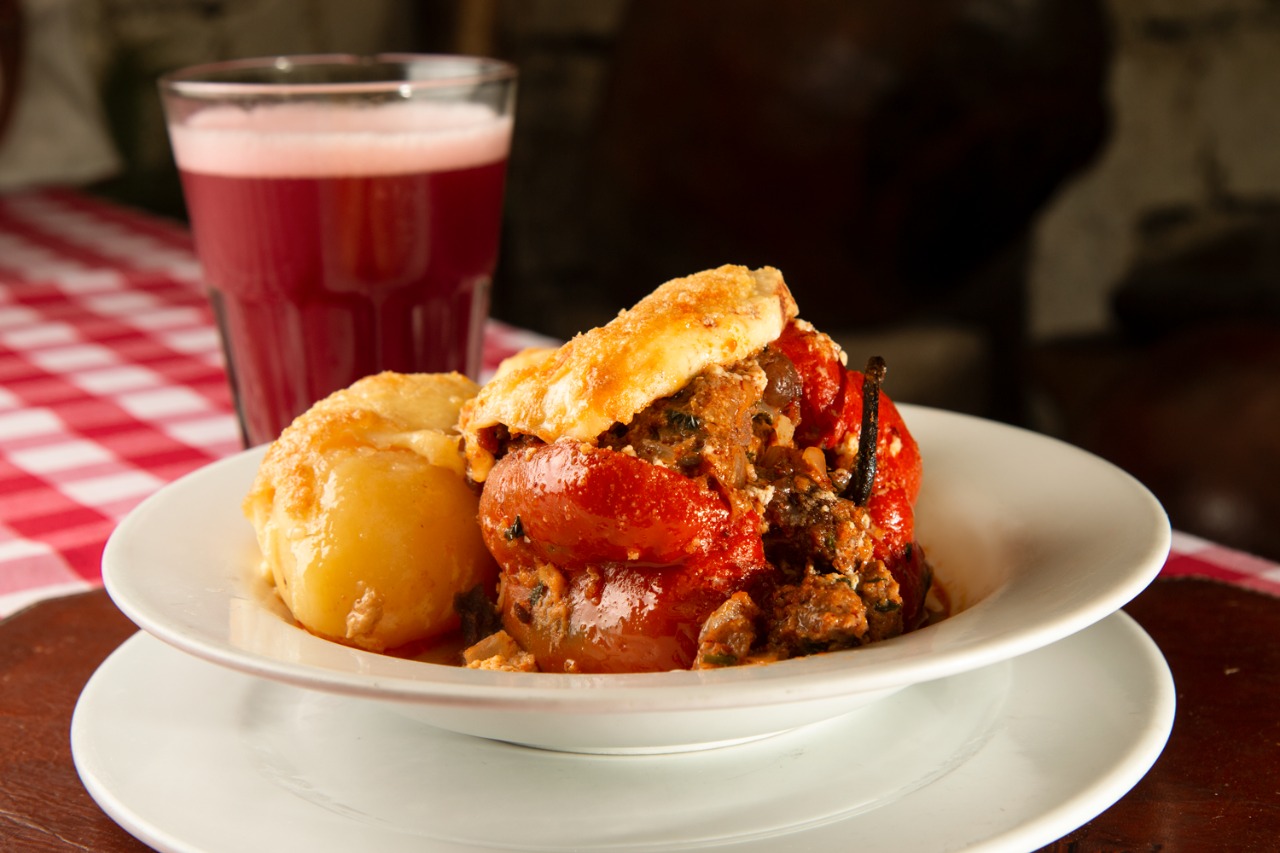
Rocoto Relleno is Arequipa’s signature dish. The main ingredient is stuffed with a stew of meat and spices, topped with a generous layer of cheese that is oven-baked, achieving a delicious golden finish. It is served with a potato cake, creating a perfect balance between richness and creaminess.
Humitas con Queso
Humitas are a classic of Peruvian cuisine, made with a soft, slightly sweet ground corn dough wrapped in their own leaves. In many regions of Peru, they are prepared with a melted cheese core, which blends with the spongy texture of the corn when bitten into.
Qapchi
This is an Ayacucho sauce made with fresh cheese, yellow chili pepper, onion, and milk. It is usually served over boiled potatoes, enhancing their flavor with its creamy texture and spicy kick. It is a simple dish steeped in tradition, an example of how local ingredients are transformed into irresistible combinations.
Chupe de Camarones
This signature dish from Arequipa is a feast of flavors: fresh shrimp, potato, corn, rice, and egg combine in a thick and hearty broth. But the secret to its flavor and texture lies in the addition of grated or crumbled fresh cheese and a touch of milk, which bring a smoothness and balance to the dish’s intensity.
Soltero de Queso
Soltero de queso is a typical salad from Arequipa that combines cubed fresh cheese with corn, fava beans, tomato, onion, olives, and rocoto pepper, all dressed with olive oil and vinegar. It’s a light, colorful, and refreshing dish, ideal for hot days.
Choclo con Queso
There is no simpler and more comforting combination in Peruvian cuisine than tender corn accompanied by a piece of fresh cheese (or another of your choice). This mountain classic highlights the simplicity and perfection of good, large-grain, sweet, and juicy corn and a generous portion of cheese, which provides just the right touch of salt. It is usually served with ocopa sauce, huancaína, or some type of hot pepper to contrast the flavors.
Ranfañote
Ranfañote is a traditional Lima dessert dating back to the colonial era and notable for its combination of sweet and savory flavors. It is made with fried bread in chancaca syrup, nuts, raisins, and, most curiously and deliciously, crumbled fresh cheese, which provides an unexpected but delicious contrast. This gem of Peruvian pastry is a testament to local ingenuity, where simple ingredients have been transformed into an explosion of flavor for generations.