
Salinas Reserve vs Salinas Lagoon: What’s the Difference? (Complete Guide 2026)

If you’re planning a trip to Arequipa, you’ve probably seen terms like salinas arequipa, salinas lagoon Peru, or salinas reserve Arequipa. Many travelers assume they refer to the same place, but this is one of the most common travel confusions in southern Peru.

Understanding the difference between the Reserva Nacional de Salinas y Aguada Blanca and the Laguna de Salinas will help you plan your visit better and choose the right experience, especially if you are looking for the best salinas lagoon tour from Arequipa.

Looking for the easiest way to visit? Check our Salinas Lagoon Tour from Arequipa

What is Salinas in Arequipa?

When people search for salinas arequipa, they are usually referring to a natural destination located just a short drive from the city. However, the term “Salinas” actually includes both a large protected area and a specific highlight within it.

This is why travelers often ask questions like what is Salinas Arequipa or salinas lagoon vs salinas reserve. The answer is simple but important: one is the entire ecosystem, and the other is the main attraction inside it.

Salinas Reserve Arequipa: A Natural Sanctuary

The salinas aguada blanca reserve, officially known as the Reserva Nacional de Salinas y Aguada Blanca, is a vast protected area covering more than 360,000 hectares.

When referring to the salinas reserve Arequipa, you are talking about this entire region, which is known for its incredible biodiversity and landscapes. It is one of the best places for things to do in Arequipa Peru nature, especially for travelers who want to explore beyond the city.

Inside the reserve, you will find high-altitude plains, volcano views, and wildlife such as vicuñas and alpacas. The scenery is peaceful, authentic, and far less crowded than other destinations in Peru.

Looking for the easiest way to visit? Check our Salinas Lagoon Tour from Arequipa

Salinas Lagoon Peru: The Highlight You Can’t Miss

Within the reserve lies the stunning Laguna de Salinas, also known as salinas lagoon Peru. This is the main reason why travelers visit the area and book a salinas salt flats Peru tour.

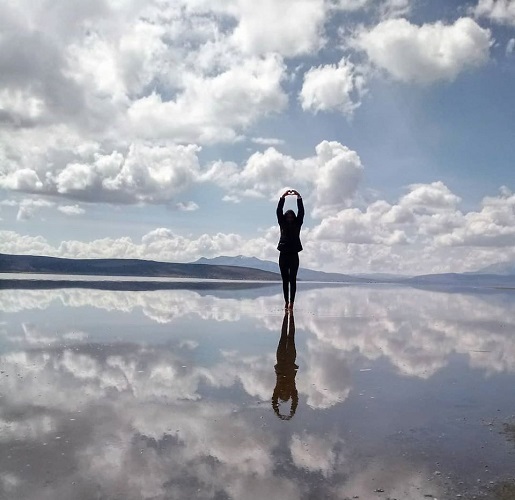
What makes this place so unique is how dramatically it changes throughout the year. During the rainy season, the lagoon fills with water and creates a mirror effect that reflects the sky and surrounding volcanoes. During the dry season, it transforms into bright white salt flats, often compared to Uyuni but much less crowded.

The lagoon is also home to flamingos, making it a perfect destination for travelers searching for salinas Peru flamingos and unique wildlife experiences. Combined with the dramatic Andean landscape, it offers some of the best photo opportunities near Arequipa.

Salinas Lagoon vs Salinas Reserve: Key Differences Explained

A very common question is what is the difference between salinas reserve and salinas lagoon. The answer is straightforward.

The reserve is the entire protected natural area, while the lagoon is one specific location inside that area. If you are wondering is salinas lagoon inside the reserve, the answer is yes.

This means that when you visit, you are actually exploring both at the same time. You travel through the reserve and eventually reach the lagoon, which is the highlight of the experience.

How to Visit Salinas Arequipa

If you are searching how to visit salinas Arequipa, the most recommended option is to join a guided experience. A full day tour Salinas Arequipa is the easiest and most complete way to explore the region.

Most tours include hotel pickup in Arequipa, transportation through the aguada blanca national reserve Peru, stops to observe wildlife, and time to explore the salt flats and lagoon. Many also include optional hot springs and a local lunch.

Because of its proximity to the city, Salinas is considered one of the best day trips from Arequipa, especially for travelers who want a unique landscape without committing to a multi-day trek.

Is Salinas Lagoon Worth Visiting?

Many travelers ask is salinas lagoon worth visiting, and the answer is definitely yes. It offers a completely different experience compared to more famous destinations like Colca Canyon.

If you are looking for a place with fewer crowds, surreal landscapes, and a mix of wildlife and culture, Salinas is one of the most underrated destinations in Peru. It is ideal for photographers, nature lovers, and anyone wanting to experience the Andean highlands in a short time.

Best Time to Visit Salinas Arequipa

The best time to visit salinas Arequipa depends on what kind of scenery you prefer. From December to March, the lagoon usually has water and creates beautiful reflections. From April to November, the area becomes dry and reveals the striking white salt flats.

Both seasons are worth experiencing, as they offer completely different perspectives of the same location.

Book Your Salinas Lagoon Tour from Arequipa

Now that you clearly understand the difference between the reserve and the lagoon, planning your trip becomes much easier. The best way to explore everything is by booking a salinas lagoon tour from Arequipa.

This experience allows you to discover the reserve, observe wildlife, visit the salt flats, and enjoy one of the most unique landscapes in southern Peru.

Book your tour today and experience one of the most impressive natural destinations near Arequipa.

One-Day vs Two-Day Colca Canyon Tour: Which Option Is Best?

Travelers planning a trip to southern Peru often wonder whether they should choose a one-day or two-day Colca Canyon tour. Located a few hours from Arequipa, the spectacular Cañón del Colca is one of the most famous natural attractions in the Andes and one of the deepest canyons in the world. Visiting the canyon is considered one of the best experiences for travelers exploring southern Peru, thanks to its dramatic landscapes, traditional Andean villages, and the unforgettable sight of the Andean condor flying over the cliffs.

Choosing between a one-day Colca Canyon tour from Arequipa and a two-day Colca Canyon tour depends mainly on your available time, travel style, and the type of experience you want in the canyon. Both tours include the most important highlights of the Colca Valley, but they offer very different travel rhythms and opportunities to explore the region.

One-Day Colca Canyon Tour from Arequipa

A one-day Colca Canyon tour from Arequipa is designed for travelers who want to visit the canyon but have limited time in Peru. These tours usually depart very early in the morning from Arequipa, often around 3:00 AM, and travel across the high Andean plateau toward the Colca Valley.

During the journey, travelers pass through the protected landscapes of the high Andes where herds of alpacas and wild vicuñas can often be seen. The road climbs to high altitude viewpoints before descending into the Colca Valley, offering spectacular scenery along the way.

The main highlight of most tours is the famous condor viewpoint at Cruz del Condor. This viewpoint is one of the best places in South America to observe the majestic Andean condor, the largest flying bird in the world. Early in the morning, condors rise on thermal air currents from the canyon, gliding gracefully above the cliffs only a short distance from visitors.

A typical one-day tour also includes stops in traditional villages such as Chivay and Yanque. These villages are known for their colonial churches, local markets, and surrounding agricultural terraces that have been cultivated for centuries.

However, because of the long distance between the canyon and Arequipa, most one-day tours involve several hours of driving. Visitors usually return to the city in the evening after a full day of travel and sightseeing. For many travelers, this itinerary offers a quick but rewarding introduction to the canyon.

Two-Day Colca Canyon Tour

A two-day Colca Canyon tour from Arequipa allows travelers to explore the region at a much more relaxed pace. Instead of rushing through the valley in a single day, visitors spend the night in one of the charming villages of the Colca Valley.

Popular overnight destinations include Chivay, the main town of the valley, and the smaller village of Yanque, known for its traditional atmosphere and beautiful Andean landscapes.

Spending the night in the Colca Valley offers several advantages. Travelers have time to explore local villages, visit traditional markets, and relax in the region’s famous hot springs located near Chivay. These thermal baths are surrounded by mountains and offer a relaxing experience after a day of exploring the canyon.

On the second day, visitors usually travel to the famous viewpoint of Cruz del Condor to watch the condors soar above the canyon. Because the schedule is less rushed, travelers often spend more time at the viewpoint and enjoy a deeper appreciation of the canyon’s immense scale and natural beauty.

A two-day itinerary also includes additional scenic viewpoints, cultural stops in Andean villages, and opportunities to learn about the traditional farming practices that continue to shape life in the Colca Valley today.

One-Day vs Two-Day Colca Canyon Tour: Key Differences

When comparing a one-day versus two-day Colca Canyon tour, the main difference is the pace of the experience. A one-day trip focuses on visiting the main highlights quickly, making it ideal for travelers with limited time. In contrast, a two-day tour offers a more immersive journey that includes cultural experiences, relaxation, and a deeper exploration of the valley.

The two-day option also reduces the amount of time spent traveling in a single day and allows visitors to experience the peaceful atmosphere of the Andes after most day-trip visitors have returned to Arequipa.

👉 View our Colca Canyon tours

Which Colca Canyon Tour Should You Choose?

If your itinerary in Peru is short and you only have a few days in Arequipa, a one-day Colca Canyon tour is a convenient way to see one of the country’s most famous landscapes. However, if you want to experience the culture, scenery, and tranquility of the Colca Valley more fully, a two-day Colca Canyon tour is often the better choice.

Both options offer unforgettable views of the Cañón del Colca and the chance to witness the impressive flight of the Andean condor at Cruz del Condor. Whether you choose a quick day trip or a more relaxed overnight adventure, visiting the Colca Canyon remains one of the most rewarding experiences for travelers exploring the Andes from Arequipa.

Visit Colca Canyon Without a Tour: A Complete Guide for Independent Travelers

Many travelers visiting southern Peru believe the only way to see the famous Colca Canyon is by joining an organized tour. While tours are common, they are not the only option. In fact, visiting the canyon independently can be an excellent way to explore the region at your own pace and enjoy a more authentic experience.

Independent travelers often prefer this option because it allows them to spend more time in the villages, hike the canyon trails freely, and avoid the tight schedules typical of large group tours. With a bit of planning, it is perfectly possible to visit Colca Canyon without a tour and still see its most famous highlights.

Getting to Colca Canyon from Arequipa

The starting point for most trips to Colca Canyon is the city of Arequipa. The distance between Arequipa and the canyon is about 160 kilometers, and the journey takes around three to four hours depending on the route and stops along the way.

The road climbs into the Andes and reaches very high elevations, offering impressive views of volcanoes, highland plains, and traditional Andean villages. One of the highest points on the route is Patapampa Pass, which reaches nearly 4,900 meters above sea level.

There are three main transport options for travelers going from Arequipa to Colca Canyon: public buses, organized tours, and shuttle services.

Taking a Bus to Colca Canyon

Public buses are the most economical option for reaching the canyon. Buses depart from the main bus terminal in Arequipa and travel to towns like Chivay and Cabanaconde. The trip usually takes around four hours.

While buses are inexpensive, schedules can be limited and vehicles are sometimes less comfortable than other options. Travelers who choose this option should check departure times carefully and plan their accommodation in advance.

Traveling by Shuttle

Many independent travelers now choose shuttle transportation between Arequipa and the Colca Valley. A shuttle offers a comfortable transfer without the structure of a guided tour.

This option allows travelers to reach the canyon easily while still keeping the freedom to explore on their own. Shuttle services usually drop passengers in towns like Chivay, Yanque, or Cabanaconde, where visitors can begin hiking or exploring the valley.

Looking for transport? We offer a comfortable shuttle from Arequipa to Colca Canyon, ideal for travelers who want to explore the canyon independently without joining a large tour group.

Independent travelers often prefer visiting Colca Canyon without a tour. If you are planning your trip, our Colca Canyon complete guide explains everything you need to know before visiting the canyon.

Where to Stay in Colca Canyon

If you plan to visit Colca Canyon independently, staying at least one night in the valley is highly recommended. The region has several towns where travelers can find hotels, guesthouses, and restaurants.

Chivay is the main town in the valley and has the largest selection of accommodations and services. It is also close to the famous La Calera hot springs.

Yanque is a quieter village located just a few kilometers from Chivay. It offers a more traditional atmosphere and beautiful colonial architecture.

Cabanaconde is located deeper inside the canyon and is the main starting point for trekking routes into the canyon.

Each town offers a different experience, so your choice may depend on whether you want easy access to viewpoints, hiking routes, or local culture.

How to See the Condors

One of the highlights of visiting Colca Canyon is watching the giant Andean condors soaring above the canyon walls. The best place to see them is the famous Cruz del Condor viewpoint.

This viewpoint is located about one hour from Chivay and offers one of the most spectacular landscapes in the canyon. Condors usually appear in the morning when thermal winds help them glide above the cliffs.

Travelers visiting independently can reach Cruz del Condor by local transport, taxi, or by arranging transport from their hotel.

Hiking in Colca Canyon

Colca Canyon is also famous for its trekking routes. One of the most popular hikes is the two-day trek from Cabanaconde down into the canyon and back up the following day.

This trek allows visitors to experience the canyon’s dramatic landscapes, remote villages, and agricultural terraces. While the hike can be physically demanding due to the altitude and steep trails, many independent travelers successfully complete it without a guide.

Those who prefer shorter walks can also find several scenic trails around villages in the Colca Valley.

Tips for Independent Travelers

Because the canyon sits at high altitude, it is important to allow time for acclimatization before visiting. Spending a day in Arequipa before traveling to the canyon helps many travelers adjust to the elevation.

Bringing sunscreen, a hat, and plenty of water is also recommended because the Andean sun can be strong even when temperatures are cool.

Planning transportation in advance is helpful, especially during the high travel season between May and October.

Is Visiting Colca Canyon Without a Tour Worth It?

For many travelers, exploring Colca Canyon independently is one of the most rewarding ways to experience the region. It allows more flexibility, more time in the villages, and the opportunity to discover places beyond the typical tour itinerary.

Whether you want to hike deep into the canyon, relax in thermal springs, or simply enjoy the spectacular landscapes, visiting the canyon without a tour can be an unforgettable adventure.

With good planning and reliable transportation from Arequipa, independent travelers can easily explore one of Peru’s most spectacular natural destinations.

Colca Canyon Complete Guide (2026): How to Visit, Best Tours, Travel Tips

For travelers exploring southern Peru, few destinations leave a stronger impression than Colca Canyon. Massive cliffs, traditional Andean villages, and the unforgettable sight of condors gliding through the morning sky make this canyon one of the most remarkable landscapes in the Andes.

Located a few hours from Arequipa, Colca Canyon attracts thousands of visitors every year who come to see its scenery, hike its trails, and experience local culture. However, planning a visit can be confusing for first-time travelers.

How do you get there? Is a tour necessary? How many days should you spend in the canyon? This guide explains everything you need to know before visiting Colca Canyon in 2026.

Colca Canyon Quick Facts

  • Location: Southern Peru, in the Arequipa region
  • Distance from Arequipa: About 160 km (100 miles)
  • Travel time: 3 to 4 hours by road
  • Altitude: 3,200 – 4,900 meters above sea level
  • Depth: Around 3,400 meters (twice as deep as the Grand Canyon)
  • Famous for: Andean condors, trekking routes, traditional villages
  • Best time to visit: April to November (dry season)
  • Main viewpoint: Cruz del Condor
  • Popular trek: 2-day Colca Canyon hike
  • Transport option: Shuttle service or organized tour from Arequipa

Looking for transport? We offer a comfortable shuttle from Arequipa to Colca Canyon, ideal for travelers who prefer to explore the canyon independently without joining a tour group.

Why Colca Canyon Is Famous

Colca Canyon is widely recognized as one of the deepest canyons on Earth. In some sections the canyon reaches depths of more than 3,000 meters, making it deeper than parts of the famous Grand Canyon.

The canyon is not only impressive for its size. It is also known for its ancient agricultural terraces, traditional Andean communities, and the presence of the majestic Andean condor. These enormous birds are among the largest flying birds in the world and can often be seen soaring along the canyon cliffs.

For many visitors to Peru, seeing condors in Colca Canyon becomes one of the highlights of their trip.

Where Is Colca Canyon Located?

Colca Canyon lies in the Andes Mountains of southern Peru, within the region of Arequipa. The canyon stretches across the province of Caylloma and is surrounded by volcanic peaks and high-altitude plains.

Travelers usually begin their journey in Arequipa, a beautiful colonial city that serves as the main gateway to the canyon.

The road from Arequipa to the canyon crosses the dramatic Andean plateau and passes through the scenic Salinas and Aguada Blanca National Reserve, where wild vicuñas and herds of alpacas roam freely.

How Far Is Colca Canyon from Arequipa?

The distance between Arequipa and Colca Canyon is roughly 160 kilometers.

Although the distance is not extremely long, the mountainous terrain means the trip typically takes about four hours by road. During the journey travelers pass through high-altitude landscapes that reach over 4,000 meters above sea level.

Because of these elevations, it is usually recommended to spend at least a day in Arequipa before traveling to the canyon so the body can adjust to the altitude.

Best Ways to Travel to Colca Canyon

There are several different ways to reach Colca Canyon depending on the type of experience you want.

Many travelers join organized tours departing from Arequipa. These tours usually include transportation, stops at scenic viewpoints, and visits to local villages.

Another possibility is traveling independently by bus to Chivay, the main town located near the canyon. From there visitors can continue exploring surrounding villages and viewpoints.

Some travelers prefer a more flexible option and choose shuttle transport between Arequipa and Colca Canyon villages, which allows them to move comfortably between destinations without following a fixed tour schedule.

The Best Places to See in Colca Canyon

One of the most famous viewpoints in the canyon is Cruz del Condor. This viewpoint is well known for offering one of the best opportunities in South America to observe Andean condors in their natural habitat.

Early in the morning warm air currents rise from the canyon floor, allowing condors to glide effortlessly along the cliffs. Watching these enormous birds fly through the canyon is a truly unforgettable experience.

The town of Chivay is another important stop for travelers. Here visitors will find restaurants, markets, and access to nearby hot springs.

One of the most relaxing places in the region is La Calera Hot Springs, where natural geothermal pools offer warm waters surrounded by beautiful mountain scenery.

Further inside the canyon, traditional villages such as Yanque and Cabanaconde provide a glimpse into everyday life in the Andes. Visitors often see locals wearing traditional clothing and working the agricultural terraces that have been cultivated for generations.

Trekking Adventures in Colca Canyon

For travelers seeking adventure, hiking inside the canyon is one of the most rewarding ways to experience the landscape.

Many trekking routes begin in Pampa Cañahuas and descend steeply toward the canyon floor. Along the way hikers pass through small villages and scenic viewpoints.

One of the most popular trekking destinations is Sangalle Oasis, a lush oasis with palm trees and small lodges located deep within the canyon.

Treks usually take two or three days and offer an immersive experience far from the crowds.

When Is the Best Time to Visit?

Colca Canyon can be visited throughout the year, but weather conditions vary depending on the season.

The dry season from April to November generally provides the clearest skies and the best visibility for landscape photography and condor watching.

During the rainy season from December to March the canyon becomes greener, although occasional rain showers may affect travel plans.

Regardless of the season, mornings are usually the best time of day to observe condors flying above the canyon cliffs.

Travel Tips for Visiting Colca Canyon

Because the region sits at high altitude, some visitors may experience mild altitude symptoms. Drinking plenty of water and resting during the first day can help the body adjust.

Temperatures can also change quickly throughout the day, so bringing layers of clothing is recommended.

Visitors planning to hike inside the canyon should carry enough water, sun protection, and comfortable walking shoes.

Is Colca Canyon Worth Visiting?

For travelers exploring southern Peru, Colca Canyon is often considered one of the most memorable destinations in the region.

The dramatic landscapes, wildlife, traditional villages, and rich cultural history combine to create a travel experience unlike any other in the Andes.

Whether you spend one day exploring viewpoints or several days trekking deep into the canyon, visiting Colca Canyon is an experience that stays with travelers long after they leave Peru.

How Many Days Do You Need for Colca Canyon? (1, 2 or 3 Day Itinerary Guide)

colca-canyon-viewpoint

One of the most common questions travelers ask when planning a trip from Arequipa is: how many days do you need for Colca Canyon?

The answer depends on the type of experience you want. Some visitors simply want to see the famous condors and dramatic viewpoints, while others want to hike deep into the canyon and explore traditional villages.

Most travelers spend 1, 2, or 3 days visiting Colca Canyon, and each option offers a different type of adventure.

Understanding the differences will help you decide how much time you should dedicate to one of Peru’s most impressive landscapes.

How Long Should You Spend in Colca Canyon?

For most travelers, 2 days is the ideal amount of time to visit Colca Canyon.

A two-day trip allows you to see the main viewpoints, watch the Andean condors at Cruz del Condor, visit traditional villages, and relax in the famous hot springs.

However, if your schedule is tight, a 1 day Colca Canyon tour from Arequipa is still possible. And for those who enjoy hiking and adventure, spending 2 or 3 days trekking inside the canyon offers a much deeper experience.

1 Day Colca Canyon Itinerary from Arequipa

A one-day trip is the fastest way to visit Colca Canyon if you have limited time.

Tours usually depart from Arequipa very early in the morning and travel across the Andean highlands toward the canyon. Along the way you will pass volcanoes, alpaca herds, and high-altitude viewpoints.

The highlight of the trip is Cruz del Condor, where travelers can watch the majestic Andean condors soaring above the canyon walls.

Typical stops during a one-day tour include:

Patapampa viewpoint (the highest point of the route)
Traditional villages such as Yanque or Maca
Cruz del Condor condor viewpoint
Scenic viewpoints along the canyon

After exploring the area, the tour returns to Arequipa in the evening.

This option is ideal for travelers who want to see the canyon’s main highlights but do not have enough time to stay overnight.

2 Day Colca Canyon Itinerary

A 2 day Colca Canyon tour is the most popular option for travelers visiting from Arequipa.

With two days, the experience becomes much more relaxed and immersive. Instead of rushing through the region in a single day, visitors can enjoy the landscapes, explore villages, and experience local culture.

A typical itinerary looks like this:

Day 1
Departure from Arequipa in the morning
Scenic stops across the Andes
Arrival in Chivay village
Visit to the Colca Canyon hot springs
Dinner and overnight stay

Day 2
Early visit to Cruz del Condor to see the condors
Stops at traditional villages and viewpoints
Return to Arequipa in the afternoon

For most travelers, this itinerary offers the perfect balance between time, comfort, and exploration.

Trekking in Colca Canyon (2 or 3 Days)

For travelers who enjoy hiking and adventure, trekking inside Colca Canyon is one of the most rewarding experiences in southern Peru.

These treks descend deep into the canyon and pass through remote villages where traditional Andean lifestyles remain unchanged.

One of the most famous destinations is Sangalle Oasis, a lush oasis located at the bottom of the canyon surrounded by palm trees and swimming pools.

Common trekking options include:

2 Day Trek

Day 1: Hike down into the canyon and reach Sangalle Oasis
Day 2: Early morning hike back to the canyon rim

3 Day Trek

Day 1: Descend into the canyon and stay in San Juan de Chuccho
Day 2: Continue hiking through villages and terraced fields to Sangalle
Day 3: Hike back up to the canyon rim

A three-day trek allows travelers to experience the canyon more slowly and learn about local culture along the way.

Distance from Arequipa to Colca Canyon

Colca Canyon is located about 160 kilometers (100 miles) from Arequipa.

The journey typically takes 3 to 4 hours by road, depending on the route and stops along the way. The road climbs high into the Andes before descending toward the Colca Valley.

Most tours include scenic stops along the way, allowing travelers to enjoy views of volcanoes, wildlife, and dramatic mountain landscapes.

Colca Canyon Altitude

Because Colca Canyon is located in the Andes, altitude is an important factor to consider.

The town of Chivay, one of the main gateways to the canyon, sits at approximately 3,600 meters (11,800 feet) above sea level.

The highest point on the road between Arequipa and the canyon is Patapampa Pass, which reaches around 4,900 meters (16,000 feet).

Travelers coming from sea level should spend at least one day in Arequipa before visiting the canyon to help their bodies adjust to the altitude.

Can You Visit Colca Canyon Without a Tour?

Yes, it is possible to visit Colca Canyon independently.

Public buses run from Arequipa to towns such as Chivay and Cabanaconde. From there, travelers can explore the canyon and arrange hikes on their own.

However, many visitors prefer joining a guided tour because transportation schedules can be limited and guides provide valuable insights into the region’s culture and landscapes.

Another comfortable alternative is using a shuttle service from Arequipa to Colca Canyon, which allows travelers to reach the canyon easily without organizing multiple bus connections.

Best Time to Visit Colca Canyon

Colca Canyon can be visited throughout the year, but the best months are usually during the dry season from April to November.

During these months, the weather is sunny and the skies are clear, which improves visibility for condor watching and photography.

The rainy season runs from December to March, when occasional rain showers can make trekking trails more challenging. However, the landscapes become greener during this time.

Is Colca Canyon Worth Visiting?

Absolutely. Colca Canyon is one of the deepest canyons in the world and one of the most spectacular natural attractions near Arequipa.

Visitors come to admire the dramatic landscapes, observe the iconic Andean condors, and experience the traditional culture of the Andean villages that surround the canyon.

Whether you choose a short sightseeing trip or a multi-day trek, visiting Colca Canyon is often one of the highlights of traveling in southern Peru.

How many days are enough for Colca Canyon?

Most travelers spend two days in Colca Canyon. This allows enough time to see the condors, explore the villages, and enjoy the hot springs.

Can you visit Colca Canyon in one day?

Yes, a one-day tour from Arequipa is possible, although it involves a long day of travel.

What is the best way to get to Colca Canyon from Arequipa?

Travelers usually visit the canyon by guided tour, public bus, or private shuttle transportation.

Do you need a guide for Colca Canyon?

A guide is not strictly necessary, but joining a tour can make the experience easier and more informative.

Arequipa to Colca Canyon Distance: Travel Time and Best Ways to Get There

The journey from Arequipa to Colca Canyon is one of the most scenic routes in southern Peru. Many travelers planning their trip wonder how far the canyon is and how long it takes to get there.

Understanding the distance and travel options can help you plan your visit more efficiently and decide whether to take a day trip or a multi-day tour.

Distance from Arequipa to Colca Canyon

The distance from Arequipa to Colca Canyon is approximately 160 kilometers (100 miles) depending on the exact destination within the canyon.

Most tours first reach the town of Chivay, which is the main gateway to the canyon. From Arequipa to Chivay, the distance is about 160 km (100 miles) by road.

However, if you continue to the famous condor viewpoint at Cruz del Condor, the total distance becomes approximately 210 kilometers (130 miles) from Arequipa.

Travel Time from Arequipa to Colca Canyon

Although the distance may seem short, the trip usually takes 3.5 to 4.5 hours due to the mountainous roads and high altitude passes in the Andes.

The route crosses spectacular landscapes and reaches elevations above 4,000 meters (13,100 ft) before descending into the Colca Valley.

Most tours make several stops along the way to enjoy viewpoints, spot wildlife, and help travelers acclimatize to the altitude.

The Scenic Route Through the Andes

The road from Arequipa to Colca Canyon passes through the Salinas and Aguada Blanca National Reserve, a protected area known for its volcanic scenery and wildlife.

Salinas and Aguada Blanca National Reserve

Travelers often see animals such as:

  • Vicuña
  • Alpaca
  • Llama

This makes the journey itself part of the experience.

Transportation Options

There are several ways to travel from Arequipa to Colca Canyon.

Organized Tours

The most popular option is joining a guided tour from Arequipa. Tours usually include transportation, stops at scenic viewpoints, and a visit to the famous condor lookout.

This option is convenient because guides know the best places to stop and help travelers adapt to the altitude.

Bus

Public buses connect Arequipa with Chivay daily. The trip normally takes 4 to 5 hours.

While cheaper, buses do not stop at scenic viewpoints along the route.

Shuttle Transport (Shared Tourist Transport)

Another convenient option is using a tourist shuttle transport service between Arequipa and Colca Canyon. This shared transportation is designed specifically for travelers who want comfortable and reliable transport without joining a full tour.

Shuttle services typically operate between Arequipa and Chivay and are ideal for travelers planning to hike or explore the canyon independently.

The advantages of shuttle transport include:

  • Tourist vehicles
  • Transfers between Arequipa and the Colca Valley
  • Flexible travel options for independent travelers
  • A faster and more convenient alternative to public buses

Many travelers who plan to do the Colca Canyon trekking routes prefer shuttle transport because it allows them to start their hike in the canyon while keeping their itinerary flexible.

Private Transport

Some travelers rent a car or hire a private driver. This gives more flexibility but requires driving through high mountain roads.

Why Many Travelers Choose a Tour

For first-time visitors to Peru, taking a tour from Arequipa is often the easiest way to explore Colca Canyon.

Tours usually include visits to traditional villages, hot springs, and the famous viewpoint where visitors can see the majestic Andean condor soaring above the canyon.

Final Travel Tips

Before traveling to Colca Canyon, it is important to remember that the route reaches high altitude. Spending at least one day in Arequipa before the trip helps travelers acclimatize and reduces the chance of altitude sickness.

Despite the distance and elevation, the journey from Arequipa to Colca Canyon is considered one of the most rewarding excursions in Peru. The dramatic landscapes, wildlife sightings, and cultural experiences make the trip unforgettable.

Colca Canyon Altitude Sickness Tips: How to Avoid Altitude Problems

Visiting the impressive Colca Canyon is one of the best experiences in southern Peru. The canyon is famous for its spectacular landscapes, traditional villages, and the chance to see the majestic Andean condor.

However, because of the high elevation, some travelers worry about altitude sickness. Understanding how altitude affects your body and knowing a few simple tips can help you enjoy your trip comfortably and safely.

In this guide, we explain everything you need to know about altitude sickness in Colca Canyon and how to prevent it.

What Is the Altitude of Colca Canyon?

The Colca Canyon region sits at high altitude in the Andes mountains. Many viewpoints and towns are located between 3,200 and 4,000 meters above sea level.

One of the most famous viewpoints is Cruz del Condor, where visitors can watch condors flying above the canyon. This viewpoint is located at approximately 3,760 meters above sea level.

Because of these elevations, some travelers may experience altitude sickness, especially if they arrive directly from sea level.

What Is Altitude Sickness?

Altitude sickness, also known as Acute Mountain Sickness (AMS), happens when the body has difficulty adapting to lower oxygen levels at high altitude.

Common symptoms include:

  • Headache
  • Nausea
  • Dizziness
  • Fatigue
  • Shortness of breath
  • Difficulty sleeping

Most symptoms are mild and temporary, especially if travelers take proper precautions.

Who Is Most Likely to Experience Altitude Sickness?

Altitude sickness can affect anyone, even people who are physically fit. However, some travelers are more likely to experience symptoms:

  • Visitors arriving directly from sea level
  • Travelers who go to high altitude too quickly
  • People who do intense physical activity on the first day
  • Visitors who do not drink enough water

Many travelers first spend time in Arequipa, which sits at about 2,335 meters above sea level. This helps the body begin adapting before visiting Colca Canyon.

7 Tips to Prevent Altitude Sickness in Colca Canyon

1. Spend a Day in Arequipa First

A great way to reduce altitude sickness risk is to spend at least one day in Arequipa before visiting the canyon. This allows your body to begin adapting to higher elevations.

2. Stay Hydrated

Drinking plenty of water helps your body adjust to altitude more easily. Dehydration can make symptoms worse, so travelers should drink water regularly throughout the day.

3. Avoid Heavy Meals and Alcohol

Alcohol and heavy meals can increase the chances of feeling unwell at high altitude. It is best to eat light meals and avoid alcohol the day before your trip.

4. Drink Coca Tea

Coca tea is a traditional Andean remedy widely used to help with altitude adaptation. Many hotels and restaurants in Arequipa offer coca tea for travelers.

5. Move Slowly

At high altitude, your body works harder. Walking slowly and avoiding intense activity during the first hours can help prevent symptoms.

6. Get Enough Rest

Being well rested helps your body adjust to altitude more effectively. Try to sleep well before your tour to the canyon.

7. Consider Altitude Medication

Some travelers choose to bring medication for altitude sickness. It is best to consult a doctor before your trip to determine if this is appropriate for you.

Is Visiting Colca Canyon Safe?

Yes. Thousands of travelers visit Colca Canyon every year without serious problems.

Most visitors only experience mild symptoms or none at all, especially when they follow simple precautions like staying hydrated and acclimatizing properly.

Tours departing from Arequipa are usually planned with regular stops and a comfortable pace to help travelers adjust to the altitude.

Final Tips Before Your Colca Canyon Tour

To enjoy your visit to Colca Canyon:

  • spend a day acclimatizing in Arequipa
  • drink plenty of water
  • eat light meals
  • move slowly during your tour
  • get enough rest

With a little preparation, you can safely enjoy one of the most spectacular landscapes in the Andes.

Planning to visit Colca Canyon? Discover our guided tours from Arequipa and experience one of the deepest canyons in the world.

FAQ About Colca Canyon Altitude

How high is Colca Canyon?

Most viewpoints in Colca Canyon are located between 3,200 and 4,000 meters above sea level. One of the most famous viewpoints, Cruz del Condor, sits at around 3,760 meters.

Do most people get altitude sickness in Colca Canyon?

Most travelers experience mild symptoms or none at all, especially if they spend time acclimatizing in Arequipa before visiting the canyon.

Is Colca Canyon higher than Machu Picchu?

Yes. Machu Picchu is located at about 2,430 meters, while many areas in Colca Canyon are above 3,500 meters.

Hidden Gems Near Arequipa: Beyond Colca Canyon

Most travelers who visit Arequipa have one destination in mind: Colca Canyon. And yes — it’s spectacular.

But southern Peru has much more to offer.

If you’re the kind of traveler who prefers authentic landscapes, fewer crowds, and places that still feel untouched, here are some hidden gems near Arequipa that deserve your attention.

1. Cotahuasi Canyon – Wilder, Deeper, More Remote

Located about 10–12 hours from Arequipa, Cotahuasi Canyon is one of the deepest canyons in the world — even deeper than Colca.

What makes Cotahuasi special is not just its depth, but its isolation. You won’t find large tourist groups here. Instead, you’ll find:

  • Dramatic cliffs and vast Andean landscapes
  • Traditional villages with preserved customs
  • Waterfalls like Sipia
  • Natural hot springs
  • True silence

This destination is ideal for travelers who want raw nature and cultural authenticity.

Best for:
Adventure seekers, photographers, and experienced travelers who enjoy off-the-beaten-path journeys.

2. The Valley of the Volcanoes in Andagua

If you thought Arequipa was already volcanic enough, wait until you visit Valley of the Volcanoes.

Near the small town of Andagua, you’ll find a surreal landscape filled with dozens of small volcanic cones scattered across a wide plateau.

It feels like another planet.

Why visit?

  • Unique geological formations
  • Almost no tourists
  • Stunning panoramic views
  • Authentic rural life

This area is perfect for slow travel and exploration. It’s also an excellent extension if you are already planning a trip toward Cotahuasi.

3. Salinas and Aguada Blanca Reserve

On the way between Arequipa and Colca, many travelers pass through Salinas y Aguada Blanca National Reserve — but few actually explore it.

This high-altitude reserve is home to:

  • Wild vicuñas
  • Alpacas and llamas
  • High Andean lagoons
  • Expansive plains with volcano views

Early mornings here are magical, especially when the light hits the snow-capped peaks.

It’s a great alternative for travelers who want nature without committing to a long multi-day trip.

4. Traditional Villages Beyond the Tourist Route

While many visitors stop in Chivay during their Colca trip, fewer continue exploring lesser-known villages where traditions remain strong.

In remote communities near Cotahuasi and Andagua, you can still experience:

  • Agricultural terraces in daily use
  • Local festivals
  • Traditional weaving
  • Andean farming life

These are not “staged” experiences — they are simply daily life in the Andes.

Why Go Beyond Colca Canyon?

Colca Canyon is iconic, but southern Peru is diverse.

If you have extra days in Arequipa, going beyond the classic route allows you to:

  • Avoid crowds
  • Discover landscapes few travelers see
  • Experience deeper cultural connections
  • Support smaller local communities

For some travelers, Colca is the highlight.
For others, these hidden regions become the most memorable part of their trip.