The History of The Rocoto Relleno

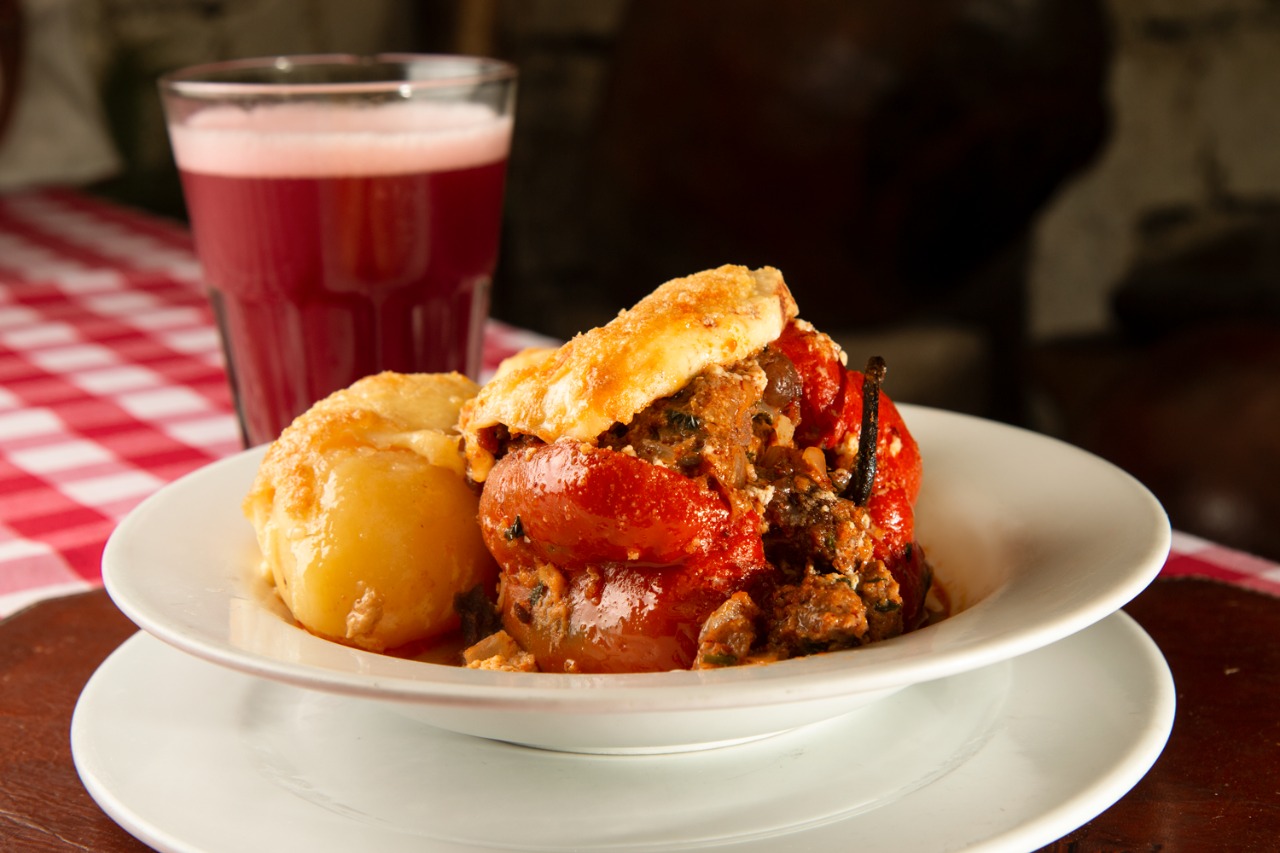
Rocoto Relleno is an Arequipa dish made with rocoto peppers, ground beef inside, and topped with fresh cheese. When baked at the right temperature, it melts in your mouth. How delicious!

The history of the Rocoto Relleno, take us back to the cuisine of the beautiful White City (Arequipa), a dish with the perfect amount of spiciness to captivate anyone who tries it. There’s even a folk tale behind this dish, told by Peruvian Carlos Herrera, who says that this dish was first cooked by the priest Manuel Masias, who, at the beginning of the 19th century, offered it to the devil as an agreement to win back some souls. This dish’s characteristic red and spicy flavor would come from this.

The special ingredient in this delicacy is rocoto peppers, an excellent stomach protector that improves oxygenation of the body and is a powerful antioxidant.

Rocoto Relleno, a Traditional Dish of Arequipa Cuisine

Rocoto relleno is a traditional and emblematic dish of Arequipa, a city located in southern Peru. Rocoto Relleno consists of a rocoto pepper, a spicy variety of pepper (rocoto), stuffed with a mixture of meats, vegetables, and spices, then baked until tender and golden.

Once the filling is prepared, the rocotos are stuffed with this mixture and baked until fully cooked and lightly browned. Rocoto relleno is usually served with a side of golden potatoes and a spicy sauce called ocopa.

Rocoto relleno is a dish that reflects Arequipa’s rich culinary tradition and is highly appreciated by both locals and visitors who want to experience the region’s authentic cuisine.

Rocoto is stuffed with ground meat (which can be beef, pork, or a combination of both), olives, peas, and fresh cheese, all seasoned with cumin and chopped parsley. It is one of the most notable dishes of Peruvian cuisine.

In 2016, the first Stuffed Rocoto Festival was held in the White City of Arequipa, where the world’s largest stuffed rocoto dish was prepared, breaking a Guinness World Record.

Picanterías: Where to Eat the Best Rocoto Relleno in Arequipa

Where to find the best rocoto relleno in Arequipa:

Traditional Picanterías: Picanterías are traditional Arequipa restaurants that specialize in typical dishes from the region. Look for well-known, long-established picanterías in the city, as they often have a reputation for serving authentic, quality food.

Local Recommendations: Ask Arequipa residents for recommendations on the most popular and beloved places to try rocoto relleno. Locals know the best places and can guide you to restaurants that offer an authentic culinary experience.

Online Research: Use online platforms, such as TripAdvisor, Google Maps, and travel blogs, to find reviews and opinions on Arequipa restaurants that serve the best rocoto. Pay attention to the ratings and comments from other visitors to get an idea of ​​the quality and authenticity of the dishes offered.

In Arequipa, there are several traditional picanterias renowned for their authentic Arequipa cuisine. Below, I’ll mention some of the best-known picanterias in the city:


La Nueva Palomino

La Nueva Palomino is one of Arequipa’s most iconic picanterias, with a long history and tradition in preparing Arequipa dishes. Its rocoto is highly praised, as are other dishes such as ocopa, chupe de camarones, and adobo.

Sol de Mayo

This is a traditional picanteria that has received national and international recognition and awards. It specializes in typical Arequipa dishes, including rocoto relleno, adobo, chupe de camarones, and cuy chactado.


La Capitana

Located in the Yanahuara district, La Capitana is known for its authentic Arequipa cuisine and beautiful panoramic views of the city. Here you can enjoy rocoto, as well as other traditional dishes, such as rocoto with cheese, chupe de camarones, and adobo.

LA BENITA’S PICANTERIA by Benita Quicaño Guillén
LA CAPITANA’S PICANTERIA by José Alfonso Díaz Huerta
CASA ALTA’S PICANTERIA by Antonieta Jiménez Barrios
LA CAU CAU’S PICANTERIA 2 by Saida Villanueva Salas
LA CAU CAU’S PICANTERIA: PICANTERIA WITH TRADITION by Roberto Montoya Villanueva
LA CAU CAU’S PICANTERIA COUNTRY RECREATION by Velmy Villanueva Salas
EL CHARACATITO’S PICANTERIA by Ana María Hilari Casas de Rondón
LA CHASKA’S PICANTERIA by Daila Aguilar Paz
EL COGOLLO AREQUIPEÑO’S PICANTERIA by María Teresa Zamudio Cuba de Pinto
DOÑA ANTUQUITA’S PICANTERIA by Gloria Rodríguez Farfán
DOÑA CLARITA’S PICANTERIA by Elizabeth Flores Torres
DOÑA LUCILA’S PICANTERIA by Leonor Ticona Bustamante
DOÑA MATILDE’S PICANTERIA by Matilde Rodríguez, widow From Herrera
PICANTERÍA LA DORITA by Lili Pauca Díaz de Salas
PICANTERÍA LA FIERA by Sandra Zúñiga Carpio
PICANTERÍA LA FINITA by Lindaura Durand Chávez
PICANTERÍA LA FONDA DE DON COCO by Jorge Fierro Paredes
PICANTERÍA LA FONDA DEL LABRIEGO by Yolanda Fierro Paredes
PICANTERÍA LOS GERANIUMS by Luis Alberto Gallegos Aparicio
PICANTERÍA THE AREQUIPEÑO STEWS by Sandra Zúñiga Carpio
PICANTERÍA LA HUAYLLA by Lupe Salas Llerena
PICANTERÍA EL INTER DE DOÑA VILMA by Ismael Samos
PICANTERÍA LAURITA CAU CAU by Beatriz Villanueva Salas
PICANTERÍA AND CHICHARRONERÍA LEDY by Ledy Guillén Pinto
LOS LEÑOS DE YUMINA (YUMINA’S LOGS) by Rafael Del Carpio Fuentes
LA LUCILA (YUMINA’S LOGS) by Ruth Ballón Salas
LA MARUJA (YUMINA’S LOGS) by Maruja Ramos de Aguilar
NIEVES (YUMINA’S LOGS) by Tatiana Villavicencio Villanueva
LA NUEVA PALOMINO (YUMINA’S LOGS) by Mónica Huerta Alpaca
LA PALOMINO (YUMINA’S LOGS) by Buenaventura Arce Alpaca
LAS PASTORS (YUMINA’S LOGS) by Arinda Torres Guillén
FLAVORS OF YESTERDAY (YUMINA’S LOGS) by Juana Gallegos de Herrera
THE SUN OF MAY (YUMINA’S LOGS) by Emma Cuentas
AUNT MERY (YUMINA’S LOGS) by María Rodríguez Linares
EL TINAJANI (YUMINA’S LOGS) by Marlene Mendoza
LA TOMASITA (YUMINA’S LOGS) by Janet Tomasa Carpio Meza
PICANTERÍA TRADICIÓN CHARACATO by Fermina Molina Guillén

These are just a few of the most renowned picanterías in Arequipa, but there are many more options available in the city. It’s advisable to check up-to-date information, such as opening hours and reservations, before visiting any particular picantería.

The quality and culinary experience can vary from place to place, and individual preferences also play a significant role in appreciating a dish. Explore different options, ask the locals, and enjoy your search for the best rocoto.

Getting Cash in Peru

Traveling to Peru involves considering various financial aspects, such as foreign currency exchange. In this guide, we’ll provide some essential tips for exchanging your money wisely.

Banks and Currency Exchange:

When it comes to exchanging money in Peru, it’s crucial to choose reliable financial institutions. Opt for reputable banks and currency exchange offices that offer competitive rates. Avoid exchanging money on the street, as you could expose yourself to scams.

Avoid Exchanging at Airports:

Exchange rates at airports or bus terminals are low and inconvenient. It’s advisable to wait until you reach less crowded areas or use ATMs to get a better exchange rate.

Alternatives such as ATMs:

ATMs are a convenient and safe option for obtaining local currency in Peru. Before traveling, check if your bank has partnerships with local banks to avoid additional fees for international withdrawals. Also, be sure to use ATMs located in safe areas and avoid making withdrawals at night in poorly lit areas.


Cards Accepted in Peru

The most widely accepted card at ATMs in Peru is Visa, although Cirrus/Mastercard are sometimes also accepted. GlobalNet is one of the ATMs in Peru that accepts almost all cards, including American Express, PLUS, and Diners Club.


Tips for Using ATMs Safely

Although you shouldn’t have any problems using ATMs in Peru, there are some precautions you can take to minimize risks:

  • Use ATMs located inside banks or commercial establishments rather than those located on the street.
  • Avoid visiting ATMs at night or in isolated areas; if you do, take extra precautions.
    Do not use ATMs that appear to have been tampered with or that have suspicious devices, especially around the card slot.
    Which bank doesn’t charge a fee for cash withdrawals in Peru?

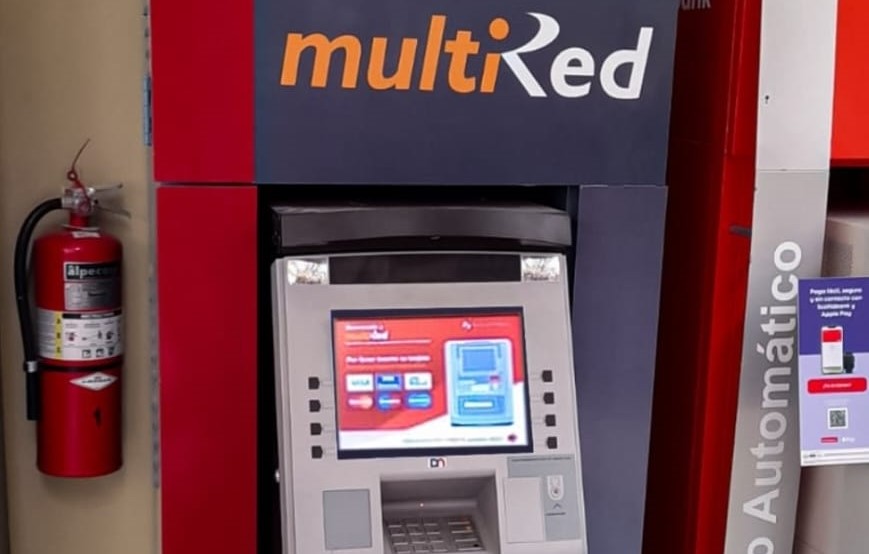
Banco de la Nación offers the option of withdrawing cash through its extensive ATM network without charging a fee (MULTIRED).

Classic Colca Tour vs. Colca Trek

Looking to explore the Colca Canyon from Arequipa but unsure which 2-day tour is right for you? Here’s a complete comparison between the Classic Colca Tour 2 Days and the Colca Trek 2 Days, helping you decide the best way to experience one of Peru’s deepest and most beautiful canyons.

Whether you’re after panoramic views and cultural experiences or ready to hike deep into the canyon, both options offer unforgettable adventures.

🚌 What is the Classic Colca Tour 2 Days?

The Classic Colca Canyon Tour 2 Days is perfect for those who prefer a more relaxed travel experience. This option focuses on scenic drives, Andean culture, and wildlife viewing — with minimal physical exertion.

Highlights of the Classic Colca Tour:

  • Departing at 7:30 from Arequipa with hotel pick-up included
  • Drive through the stunning Altiplano and Salinas y Aguada Blanca National Reserve
  • Visit traditional villages such as Chivay and Yanque
  • Soak in the La Calera or Chacapi hot springs
  • Overnight stay in a cozy hotel or lodge
  • Morning visit to Cruz del Cóndor, where you can observe the majestic Andean condors gliding above the canyon

If you’re traveling with family, seniors, or just want a Colca Canyon 2-day itinerary focused on comfort and sightseeing, this is the best option.

🥾 What is the Colca Trek 2 Days?

The Colca Trek 2 Days is designed for adventurers who want to explore the canyon from within. This physically active tour takes you deep into the Colca Canyon, offering a more immersive and off-the-beaten-path experience.

Highlights of the Colca Canyon Trek 2 Days:

  • Early morning departure from Arequipa
  • Trek down into the canyon to reach the Sangalle oasis
  • Stay overnight in a rustic eco-lodge surrounded by nature
  • Begin a pre-dawn hike to ascend the canyon
  • Visit Cruz del Cóndor on day 1 to see condors in flight

If you’re an outdoor enthusiast wondering about the difference between Classic Colca and Colca Trek, the answer is simple: the trek is all about physical challenge and natural immersion, while the classic tour focuses on cultural exploration and comfort.


Classic Colca Tour vs. Colca Trek – At a Glance

FeatureClassic Colca Tour 2 DaysColca Trek 2 Days
DifficultyEasy and comfortableModerate to challenging
AccommodationHotel in Chivay or YanqueBasic lodge in Sangalle Oasis
ActivitiesHot springs, local culture, Cruz del CondorHiking, overnight in the canyon, condor watching
Best ForFamilies, casual travelers, older adultsFit travelers, backpackers, adventure seekers

🧭 What’s the Best Way to See Colca Canyon?

Choosing between the Classic Colca Tour and the Colca Trek depends on your travel style, fitness level, and what kind of experience you’re looking for. Both offer unforgettable ways to discover the magic of Colca Canyon in 2 days, whether from the rim or the depths.

So, are you ready to choose your adventure? Whether you’re looking for an easy 2-day Colca Canyon tour from Arequipa or a challenging trek through rugged terrain, Colca has something for everyone.

What You Shouldn’t Miss in Your Suitcase During Your Trip to Peru

When planning a vacation, the first thing you look for is airfare or a bus ticket to secure transportation, as well as researching the main tourist attractions you’ll want to visit. However, one of the most complex tasks comes days before the trip: what to pack. If you’re about to visit Peru and don’t want to make a mistake when packing your suitcase, here’s a quick guide on what you can’t miss to avoid complications with the weather.


Packing is often considered one of the most complicated activities because you end up packing clothes you won’t use and just take up space, or you forget important items that can ruin the experience or force you to spend more money, putting you over your budget.
That’s why it’s vital to know what to take and what not to take when you arrive at a new destination, even more so if you’re arriving in Peru and want to visit the beaches, Machu Picchu, or head to the jungle.


What Should I Pack in My Travel Suitcase?

Each destination in Peru has its own unique climate and needs, and for that, we must pack well. Before thinking about clothing, shoes, or accessories, it’s vital that you set aside a specific space for essentials like your ID, foreigner’s card, or passport. These should be kept separate, along with tickets, reservations, and travel insurance.

Pack According to the Region

Peru’s diversity can be a challenge when packing, this is the reason why Perou Voyage Tours, recommends doing some research on the climate and packing accordingly.

For coastal cities like Lima, Paracas, or Máncora, cool, light, and versatile clothing, sunglasses, a hat, a swimsuit, and sandals are recommended, not to mention a light sweater for the colder evenings. For mountain destinations like Cusco, Arequipa, or Huaraz, it’s essential to have thermal clothing, a windbreaker, hiking shoes, and gloves, as well as a thermos for hot drinks to help you counteract the cold temperatures.

Finally, if you’re traveling to jungle cities like Iquitos, Tarapoto, or Madre de Dios, you should pack lightweight, long-sleeved clothing to avoid bites, a raincoat, a hat, and water-resistant shoes.

Pack According to the Activity

For trekking and adventure activities, you’ll definitely need an ergonomic backpack or one comfortable enough to hold your thermal clothing, jackets, snacks, canned goods and drinks, as well as your camping gear.

To explore the city, make sure to wear comfortable footwear; hiking boots aren’t necessary, but hiking shoes are, along with a secure bag to store your essential documents and a small backpack. Exploring the jungle requires a little more preparation. The humidity, combined with the high temperatures, will require you to stay hydrated and light, so pack quick-drying clothing, toiletries, sunscreen, a hat, and water bottles in a lightweight bag.

It’s also essential to have toiletries, sunscreen, a good insect repellent, and a reusable water bottle on hand to stay hydrated throughout your trip.

The 5 Best Destinations to Travel in Peru on Easter 2025

Just a few days before the start of Holy Week 2025, one of the most anticipated celebrations for Christians, commemorating the passion, death, and resurrection of Jesus Christ. These religious dates are considered holidays, giving Peruvians a perfect opportunity to escape from daily stress, spend more time with their families doing various activities, or simply decide to escape to beautiful tourist destinations in Peru. These places not only offer religious traditions but also offer opportunities to enjoy the local cuisine. In the following article, we’ll tell you all the details.

What are the Destinations to Travel During Holy Week in Peru?

For many Peruvians, Holy Week has become a unique opportunity to reflect, commemorating the Way of the Cross of Jesus of Nazareth from his condemnation to his crucifixion and burial. However, it is also a great opportunity to experience religious and cultural customs in various parts of the country, where imposing churches and rich cuisine predominate, in addition to boosting the economy of these areas.
Find here a list of tourist destinations for families to enjoy during the long holiday of this religious festival:

Arequipa:

The “White City” is the perfect place to celebrate Holy Week. Arequipa, famous for its dazzling architecture, transforms during this time into a place of deep spirituality and tradition. The processions, music, and food provide an unforgettable experience for thousands of tourists.

Holy Week is a great opportunity to experience religious and cultural customs in various parts of the country, where imposing churches and rich cuisine predominate.

Piura:

Holy Week in the northern city is celebrated with great devotion in the district of Catacaos, a holiday that has been recognized as a National Cultural Heritage. This date is one of the most significant for the region, notable for the intense faith of the Cataquense community. Local traditions and customs infuse an air of mysticism into each of the ceremonies that commemorate the passion, death, and resurrection of Jesus Christ.

Cusco:

This city is one of those destinations that captivates you from the first moment. During Holy Week, the city becomes an epicenter of religious and cultural celebrations, attracting thousands of tourists, who are amazed by everything the imperial city has to offer.

Huaraz:

If you want a Holy Week filled with mysticism and surrounded by nature, you can’t miss Huaraz. In the heart of the Andes, you will live an experience steeped in faith while enjoying the stunning beauty of the Cordillera Blanca.

La Libertad:

In this region, Holy Week is celebrated with great fervor and history, especially in the district of Moche, just 30 minutes from Trujillo, and in Otuzco, about two hours from the city. Both destinations are ideal for experiencing a Holy Week steeped in tradition and devotion.

When is the Easter Long Holiday 2025?

As part of Holy Week 2025, the first long holiday of the year will take place on April 17 and 18, corresponding to Holy Thursday and Good Friday, respectively. These dates are added to Saturday 19 and Sunday 20 April.

How is Holy Week Celebrated in Peru?

Peru’s cultural diversity is reflected in the diverse ways Holy Week is commemorated in different regions of the country. For example, in Ayacucho, where processions and flower carpets are held in various parts of the city, attracting thousands of tourists every year.

Meanwhile, this religious holiday in Cusco is notable for the procession of the Lord of the Earthquakes or Señor de los Temblores, which, along with its faithful devotees, parades through the main streets. In Lima, citizens traditionally visit churches, celebrate Mass, and other activities. Therefore, we present the meaning of Holy Week:

Palm Sunday or Lent: This is the beginning of Holy Week. It commemorates the entry of Jesus of Nazareth into Jerusalem, according to the Gospel. On this date, Christian and Catholic churches celebrate masses and palm processions.
Holy Monday: This is the second day of Holy Week, which commemorates Jesus’ expulsion of the merchants who occupied the Temple in Jerusalem.
Holy Tuesday: This reflects the biblical passage in which Jesus meets with his apostles and tells them that one of them is going to betray him.
Holy Wednesday: This marks the end of Lent and commemorates the day Judas Iscariot betrayed Jesus.
Holy Thursday: This commemorates the celebration of the Last Supper.
Good Friday: This commemorates the passion and crucifixion of Jesus on Mount Calvary or Golgotha ​​in Jerusalem. Some believers observe fasting and abstinence during the day.

Holy Saturday: This is the prelude to the resurrection.
Easter Sunday: This is one of the main Christian holidays, as it celebrates the resurrection of Jesus.

Peruvian Dishes Made with Cheese

In this article, discover a list of classic Peruvian recipes that include cheese. Whether as a main ingredient or as a special touch, it is a delight in its various forms.
This versatile ingredient is part of some of the most typical (and delicious) recipes in the Peruvian repertoire. From creamy sauces perfect for accompanying any meal to traditional desserts enjoyed today.


Papa a la Huancaína

If there’s one dish that epitomizes Peruvian cuisine at its finest, it’s papa a la huancaína. This simple yet exquisite preparation consists of potato slices covered in a creamy sauce of fresh cheese, yellow chili pepper, milk, and crackers, giving it a velvety texture and a balanced flavor between spiciness and saltiness. It’s usually served with a hard-boiled egg and olives, making it a must-have starter on any table.

Ocopa

Ocopa is a creamy and aromatic sauce from Arequipa, made with fresh cheese, mirasol chili pepper, huacatay, peanuts, and milk. It is traditionally served over slices of boiled potatoes and accompanied by hard-boiled eggs and olives. Its intense flavor, with herbal notes and a touch of spice, makes it one of the most beloved sauces in Arequipa’s cuisine.


Quesillo con Miel

This dessert, typical of the Andean region, features a simple and delicious recipe that combines fresh cheese with chancaca (a honey-like sweetener) or honey. Its firm yet smooth texture and milky flavor are balanced by the deep sweetness of the honey, creating a simple yet unforgettable dessert. In many regions, it is enjoyed as part of breakfast or as a sweet snack after a hearty meal.


Rocoto Relleno

Rocoto Relleno is Arequipa’s signature dish. The main ingredient is stuffed with a stew of meat and spices, topped with a generous layer of cheese that is oven-baked, achieving a delicious golden finish. It is served with a potato cake, creating a perfect balance between richness and creaminess.


Humitas con Queso

Humitas are a classic of Peruvian cuisine, made with a soft, slightly sweet ground corn dough wrapped in their own leaves. In many regions of Peru, they are prepared with a melted cheese core, which blends with the spongy texture of the corn when bitten into.


Qapchi

This is an Ayacucho sauce made with fresh cheese, yellow chili pepper, onion, and milk. It is usually served over boiled potatoes, enhancing their flavor with its creamy texture and spicy kick. It is a simple dish steeped in tradition, an example of how local ingredients are transformed into irresistible combinations.

Chupe de Camarones

This signature dish from Arequipa is a feast of flavors: fresh shrimp, potato, corn, rice, and egg combine in a thick and hearty broth. But the secret to its flavor and texture lies in the addition of grated or crumbled fresh cheese and a touch of milk, which bring a smoothness and balance to the dish’s intensity.


Soltero de Queso

Soltero de queso is a typical salad from Arequipa that combines cubed fresh cheese with corn, fava beans, tomato, onion, olives, and rocoto pepper, all dressed with olive oil and vinegar. It’s a light, colorful, and refreshing dish, ideal for hot days.


Choclo con Queso

There is no simpler and more comforting combination in Peruvian cuisine than tender corn accompanied by a piece of fresh cheese (or another of your choice). This mountain classic highlights the simplicity and perfection of good, large-grain, sweet, and juicy corn and a generous portion of cheese, which provides just the right touch of salt. It is usually served with ocopa sauce, huancaína, or some type of hot pepper to contrast the flavors.

Ranfañote

Ranfañote is a traditional Lima dessert dating back to the colonial era and notable for its combination of sweet and savory flavors. It is made with fried bread in chancaca syrup, nuts, raisins, and, most curiously and deliciously, crumbled fresh cheese, which provides an unexpected but delicious contrast. This gem of Peruvian pastry is a testament to local ingenuity, where simple ingredients have been transformed into an explosion of flavor for generations.

The Tourist Train from Lima to Huancayo is Back

tourist train from Lima to Huancayo

The tourist train from Lima to Huancayo is back, and will provide tourist service during Holy Week and National Holidays, with a journey time of between 12 and 14 hours.

The highest railway in Peru and Latin America is back. The Ministry of Transport and Communications (MTC), through the General Directorate of Transport Programs and Projects, announces that ticket sales will begin on March 7 for the tourist passenger train service on the Lima–Huancayo–Lima route.

This initiative will strengthen connectivity between the coast and the central highlands, boost tourism, and stimulate the region’s economy.

Tickets can be purchased exclusively through the Ferrocarril Central Andino S.A. website (https://www.ferrocarrilcentral.com.pe) with any payment method, and fares will be published on the day they go on sale.

Services include breakfast, lunch, and a snack, as well as dances during the journey.

The “Peruvian Tourist Service” will cost S/500 round trip, while the “Peruvian Classic Service” will cost S/400 round trip. Similarly, the “Foreign Tourist Service” will cost S/800 round trip, while the “Foreign Classic Service” will cost S/600 round trip.

The train will operate on two key dates. For Holy Week, the train will depart from Desamparados Station in Lima on April 17 at 7:00 a.m., returning from Huancayo on April 20 at the same time. During the National Holidays, the trip will depart from Lima on July 26 and return from Huancayo on July 29.

The journey will last between 12 and 14 hours and will offer travelers the opportunity to appreciate breathtaking landscapes and experience a unique railway experience on one of the highest routes in the world.

During the journey, the train will pass through 69 tunnels, including the Balta Tunnel, the longest on the route at 1,378 m, and the Galera Tunnel, the highest on the route, located at 4,781 m above sea level. The journey will also include crossing 58 bridges, including the Carrión Bridge, the longest on the route at 218 m.

The reactivation of this service will allow travelers to travel through the Western Cordillera and the Mantaro Valley, reaching Huancayo, capital of the Junín region, and will consolidate the railway as a sustainable and attractive alternative for national tourism.
About the Peruvian State

Ticket Sales to Machu Picchu 2025

The Ministry of Culture announces that starting on Thursday, December 19, 2024, the reservation and sale of tickets to visit the Inca City of Machu Picchu in 2025 will begin, through the State platform, tuboleto.cultura.pe

In this sense, agencies, tour operators and visitors in general will be able to access on that day, the tickets to enter during the visiting period between January 1 and 5, 2015. The payment time will be between 9:00 a.m. and 11:58 p.m. It should be noted that the indicated payment time applies exclusively to the first day of opening of reservations for each visiting period.

From the second day, the payment of the reservation will be made according to the current procedure. According to the established schedule, starting on January 3, 2025, tickets can be reserved and purchased for entry between January 6 and 31, 2025.

While on January 13, 2025, reservations will be available for the month of February 2025. On January 14, reservations and purchases will be available for March 2025.

The following day, tickets will be available for the month of April 2025. Meanwhile, on January 16, 2025, tickets can be purchased for the month of May, on January 17 for the month of June, and on January 20, for the month of July 2025.

Likewise, for the months of August to December 2025, reservations and sales will be available starting on January 21, 2025. This schedule is in compliance with Ministerial Resolution No. 043-2024-MC, which approves the entrance fees to Pre-Hispanic Real Estate, Museums and Museum Institutions for the Fiscal Year 2025, Single Rate Schedule for Non-Exclusive Services provided by the Ministry of Culture.

Schedule | VISITING PERIOD | RESERVATION AND PAYMENT DATE | PAYMENT TIME (*)

| From January 1 to 5, 2025 | Starting on 12/19/2024 | From 9:00 a.m. to 11:58 p.m.

|From January 6 to 31, 2025 | Starting on 01/03/2025

| February 2025 | Starting on 01/13/2025

| March 2025 | Starting on 01/14/2025 | April 2025

| From 01/15/2025 | May 2025 | From 01/16/2025

| June 2025 | From 01/17/2025 | July 2025 | From 01/20/2025

|August to December 2025 | From 01/21/2025

(*) The payment schedule indicated applies exclusively to the first day of opening of reservations for each visiting period. From the second day, the payment of the reservation will be made according to the current procedure.

Machu Picchu Load Capacity

We must remember that, through Ministerial Resolution No. 000404-2024-MC, a maximum capacity of 5,600 daily visitors is established for the Llaqta or Inca city of Machu Picchu during the year 2025, applicable on the following dates: January 1, April 17 to 20, June 19 to November 2, and December 30 to 31.

This measure is based on the Protocol for the management of visits to the Llaqta or Inca city of Machu Picchu, approved by Ministerial Resolution No. 000207-2024-MC, whose objective is to guarantee the protection and conservation of the archaeological heritage, as well as to offer a quality visitor experience during the months of high season for visitors.

It is important to note that, in the regular season, the daily access limit to Machu Picchu remains at 4,500 visitors. Customer Service Channel For more information, the Ministry of Culture offers the Customer Service Channel Tu boleto, a free service that is available from Monday to Sunday, including holidays, through the telephone line: from Peru (01) 321 5555 and from abroad +51 1 321 5555 or by email: tuboleto@cultura.gob.pe.

The Avocado Route, Peru’s Green Gold

peruvian avocado

The Peruvian avocado is one of the most emblematic products in the agro-export basket. Recognized worldwide for its quality and flavor, the South American country has established itself as the second largest exporter of avocados, only behind Mexico.

The avocado also stands out for its numerous health benefits and its growing presence in global gastronomy. One of the reasons why this day is celebrated is to make visible its great importance in food and to spread the many benefits it provides for people’s health.


Strong Avocado, Creamy Avocado

The Peruvian avocado is recognized for its high quality and unique flavor. Characterized by its creamy texture and dark green skin, this fruit stands out for its nutritious content, rich in vitamins E, C and K, as well as healthy fatty acids. It is ideal for various culinary preparations, from salads and sauces. Grown in the fertile valleys of Peru, its smooth, buttery flavor makes it a global favorite, exported to numerous countries.

Avocado production in Peru is concentrated mainly in the regions of La Libertad, Lima, Lambayeque and Ica, which represent 83% of the country’s productive hectares. In recent years, an increase has been observed in regions such as Huancavelica, Ayacucho and Cusco. 95% of the production of the Hass variety is destined for export, consolidating Peru in the international market.

Known as “green gold”, its harvest takes place throughout the year, with the highest production being recorded between the months of March and September. In addition, its use has been diversified, with the pulp being used for food production, while the seed is used in cosmetics to extract essential oils.


Hass Avocado

The Hass avocado has become a key ingredient in the production of various processed products, such as snacks, oils, sauces, dressings, smoothies, among others. This diversification in its application not only responds to a growing demand in the market, but also represents an important opportunity for innovation and business development for Peru.

Currently, there are more than 250 Peruvian companies that export the “Green Gold” to more than 48 countries around the world. Shipments of fresh avocados abroad totaled USD 963 million during 2023, according to PROMPERÚ .


Northern Green Gold

In Lambayeque, there are 76 certified production sites, spanning from Olmos to Zaña, reflecting the rich agricultural history of the region. La Libertad, on the other hand, stands out as a national leader in avocado production, with a 42% share, and is recognized as the first agro-exporting region of this fruit in Peru.

Farmers in these regions have inherited cultivation techniques that have been perfected over generations. Avocado is not only grown for trade; it also plays a crucial role in local festivities and cuisine. In La Libertad, producers receive training in Good Agricultural Practices (GAP), thus ensuring the quality of the fruit that reaches both national and international tables.


From The Sierra de Lima

In the Lima region, avocado production occurs mainly between May and September, although this delicious fruit can be found throughout the year. In Santa Eulalia, every April the Festival de la Palta Fuerte is held, an agro-tourism event that awards the best producer and the best avocado in the district.

This festival brings together 32 family farmers, who present their best crops. The award contests highlight the quality and creaminess of the avocado. In addition, a large culinary fair is held, where you can taste typical dishes such as noodles with avocado, garden rice with avocado and Santa Eulalia solterito.

One of the novelties of the festival is the “Miski Acopaya”, an avocado pisco sour, along with ice cream, cheesecake, strong avocado sigh and picarones with avocado honey.


Frozen Avocados: Conquering Markets

Currently, almost 9% of the total avocado production in Peru is destined for freezing, with the Hass variety being the most used for this purpose. The freezing process requires high technology to ensure that the fruit retains its freshness, texture and creaminess. This trend is gaining popularity due to the growing global demand for fresh frozen avocados, peeled, pitted and washed.

Peruvian Avocado and Gastronomy

The avocado has conquered a special place in Peruvian cuisine, present in a wide variety of dishes that are a sign of identity and regional pride.

Causa limeña: cold cake of mashed yellow potato seasoned with yellow chili and lemon, filled with avocado, chicken or tuna, and mayonnaise.

Avocado salad: Classic and delicious. In Moquegua, in 2022, the largest avocado salad in the world was prepared.

Fish tiradito with avocado: Thin fish fillets, marinated in lemon juice and chili, accompanied by slices of avocado.

Stuffed avocado: Halves of avocado stuffed with chicken salad, seafood, or vegetables, mixed with mayonnaise.

Avocado sauce: Combination of ripe avocados, tomatoes, onion, yellow chili, and lemon juice. It is recommended to serve with fried yucas, tequeños, or various meat and fish dishes. The specialized website Taste Atlas ranked it among the 50 best sauces in the world.

Street Food in Peru

Peru, a country that has conquered palates worldwide with its exquisite and varied cuisine, also has a great variety of street food.


The reason for its renown transcends the sophisticated restaurants to be located in the heart of its streets, where culinary tradition vibrates with the daily bustle of its cities and is that Peruvian street food stands out for its rich diversity and authenticity that captures the essence of the culture of the country.


From salchipapas and papas rellenas, the offering is as vast as it is appetizing. However, among all this culinary wealth, one dish has managed to especially capture the attention and favoritism of this platform: the beef heart anticucho. This dish, with its perfect combination of flavors and its venerable tradition, is established not only as a local delicacy, but as the ambassador of Peruvian street food in the eyes of the world.


How was street food born in Peru?

When the Peruvian wants to get ahead, he knows that it is a good option to sell food on the go, investing a low budget. They say that “when the need arises, ingenuity arrives”, and that is why tourists will find a great offer of food on the streets, a little bit of everything for all tastes and at a low price.


Anticuchos and Viscera


Anticuchos are beef hearts that have already been cleaned and opened to be marinated with a seasoning based on ají panca, garlic, yellow chili, pepper and vinegar, among others.

Then these pieces are embedded in sticks and placed on the grill. This is a corner tradition that was born in the streets and, although there are restaurants that offer anticucho as their flagship dish, Peruvians will always recommend going to the street to eat agachaditos.

The same thing happens with the organ meats, they are seasoned and put on the fire, so that they have that smoky touch, it is accompanied by parboiled potatoes and chili.


Picarones


Picaron is a dessert from yesteryear, a kind of donut but shaped like a nut. What marks its Peruvian DNA is that it contains pumpkin and sweet potato.

This is another traditional case and we can find it in avenues, parks, corners of popular avenues and outside churches. And although many restaurants have it on their menu, it is quite an experience to see how the dough is fried and how it is dipped in chancaca honey.

Plus, if you eat it on the street, you can always ask for more honey.


Choclo con queso y huevo duro


The combination of this dish is simply perfect! Choclo con queso is the best and cheapest dish you will find along the streets.


Mazamorra morada y arroz con leche

Mazamorra and arroz con leche are desserts from yesteryear and are always pot neighbors or go together in the same container. Because it is such a popular dish, you can also find it on the corners of busy avenues, parks, avenues or outside the churches of Lima.

Mazamorra comes from Peruvian purple corn, it is cooked and combined with cornstarch to give it thickness and some fruits are added for taste. Rice pudding is a cooking that also includes cinnamon and sugar.


Cachangas


It is a mixture of flour, salt, anise and sugar, and in Peru we can find it in different varieties as part of artisanal and regional baking. However, what is eaten on the streets is a fried food in the form of a pizza.


Huevitos de codorniz

Although it is not frequent, it is possible to see a cart full of quail eggs passing by in the markets or bus stops. They accompany it with boiled potatoes to eat immediately or they carry it in bags to put on the home table. These eggs are considered very beneficial, especially at breakfast time, since they have many nutritional benefits. It is a street delicacy.


Empanadas


When hunger strikes, some empanadas are always welcome to eat on the go. They are generally offered in a corner or in a small stall, I don’t assure you that you will always find them warm, but you will always find them plump enough.

The Peruvian loves Add lemon and chili to your empanada, so the seller will always have these concoctions at your disposal. The most classic empanadas are cheese and ham, meat and chicken, although some inventive people have invented several more fillings.


Humitas and tamales

We will find them formed as if they were little soldiers inside a basket or in a cart with wheels, some will be warm, others will be at room temperature.

Both humitas and tamales are made of corn or corn, the difference is that humitas have a sweet version with raisins or other fillings, but they all come from the same pot. In the mornings – especially on Sundays – there are saleswomen outside the bakeries, churches or inside the markets.


Churros


Churros are not exclusive to any country, although I must give credit to Mexicans for being the ones who consume it the most and who we have heard the most about.

This sweet is quite requested on the streets, whether it is glazed with sugar or the one with filling. We can find it in different ways: in a corner inside a display case illuminated by a spotlight whose mission is not to let the churros cool down. Other times they are stacked inside a tray that is carried on the shoulders of vendors, who go from one place to another taking advantage of the traffic to satisfy passers-by. And the third, which is the one I like the most, is in a cart where you can see its preparation process, from the moment of kneading to frying and glazing.


Ceviche in a wheelbarrow

Ceviche is a very popular preparation and we will find many of the best seasonings coming from the street carts. Some prepare it on the spot, others have trays full of this preparation planned.

It is advisable to look at the hygiene of the stall to have a pleasant experience, since fish is a fairly delicate product.

The ceviche (fish in lemon and salt plus onion) is accompanied by canchita, mote, seafood chicharrón, sweet potato and extra chili.


Emollient and other drinks

The emollient is a concentrated drink of roasted barley, horsetail, linseed, alfalfa, plantain and lemon. The fact is that to obtain this preparation it is always necessary to boil everything for long hours. We find it every morning in the markets, busy avenues, parks and street corners.

This drink is restorative and, because it is hot, it contributes a lot in winter.

The merit of the master emollients is to enchant them with their recipe, since each one jealously guards the quantities that make their drink successful. In addition to the emollient, some stalls offer the famous “7 flours (wheat, barley, cañihua, kiwicha, corn and pea)”, “quinoa drink”, “oatmeal with milk (simply called quaker, in honor of the brand)”, among others.


Food 7 colors

This is serious stuff! The famous seven colors is a combination of seven types of food in a single dish: red noodles, huancaína, ceviche, chanfainita, arroz con pollo, causa, carapulcra and, if the cook feels like making more dishes, there will be more. where to choose from.

It is a highly requested option in large markets, and although some believe it is too much for the stomach, tourists may find it very curious and even fun to put together their plate with all the options of the day.


Papa Rellena

This dish is quite peculiar, because thanks to its shape it has become one of the favorite snacks. It is a potato dough plus oil and salt, this is given a round shape and filled with various stews, the most common are chicken and meat stew.

Finally, they are fried in plenty of oil so that they are crispy on the outside. Many street stalls offer them ready to go, but only some do the final frying process in front of the diner.


Chaufa al paso

Chaufa is a “chifa” (Peruvian-Chinese) restaurant dish based on rice, silao, chicken, Chinese onion and oriental vegetables. It is widely consumed in Peru and whose particular seasoning gives it the art of wok stir-frying. This dish is also eaten when passing a corner.

It is quite a show to see the chaufa rice sauté and, to achieve that smoky touch, the cart needs to have a small stove with a gas burner.


Sausages, sandwiches and hamburgers

Another way that many Peruvians found to get ahead is the sale of hamburgers, sandwiches and the famous salchipapas, which is a scramble of French fries with a hot hot dog and all its creams such as mayonnaise, mustard, ketchup, golf and olive cream.

All this junk food is made in a sandwich cart with infrastructure for frying potatoes to order and a griddle to make the hamburger. There are also spaces equipped for garnishes.