Machu Picchu: Where Can You Buy Tickets to Visit the Inca Citadel?

The historic citadel of Machu Picchu is one of the most visited tourist places in the whole country and the world, so It is necessary that you book your visit in advance.


The economic and tourist reactivation has reached a peak in Cusco, which has caused the entrance tickets to run out quickly due to the limited number of these tickets, which caused the discomfort of visitors and tour guides.

Through a statement, the Decentralized Directorate of Culture of Cusco confirmed that the entrance tickets to the ancient Inca city of Machu Pichu are sold out until August 18. In addition, the ticket office of the Cultural Center of Machu Pichu does not open from August 11 until further notice.


For this same reason, representatives of the tourism sector showed their disagreement with Ministerial Resolution 173-2020, which establishes the limited capacity of the different tourist areas during the pandemic, since currently the Inca citadel can only receive 2,244 tourists per day.

Where to buy tickets for Machu Picchu?

Due to the large influx of tourists who want to see the great Inca city, the Decentralized Directorate of Culture of Cusco has proposed that they buy their tickets in advance through the page: www.machupicchu.gob.pe.

They can also be purchased at their offices located on Calle Garcilaso S / N in the city of Cusco.


How much does an entrance to Machu Picchu cost?

For foreign visitors:

Adults: S/.152
Students: S/.77
Children: S/.70

Peruvians and citizens of the Andean Community of Nations (Bolivia, Colombia, Ecuador and Peru)

Adults: S/.64
Students: S/.32
Children: S/.32

Tickets for Cusqueños:

Free, but they must present their ID and ticket at the checkpoint. Also, income is only on Sundays.

Best Routes For Hiking in The Colca Canyon

Find the best informations about the best routes for hiking in The Colca Canyon. You can find a complete guide for chosing the best alternatives for you no matter If you are a looking for a luxurious hike or If you are travelling on a budget.

Trekking inside the Colca Canyon leaves from Arequipa, Chivay or Puno.

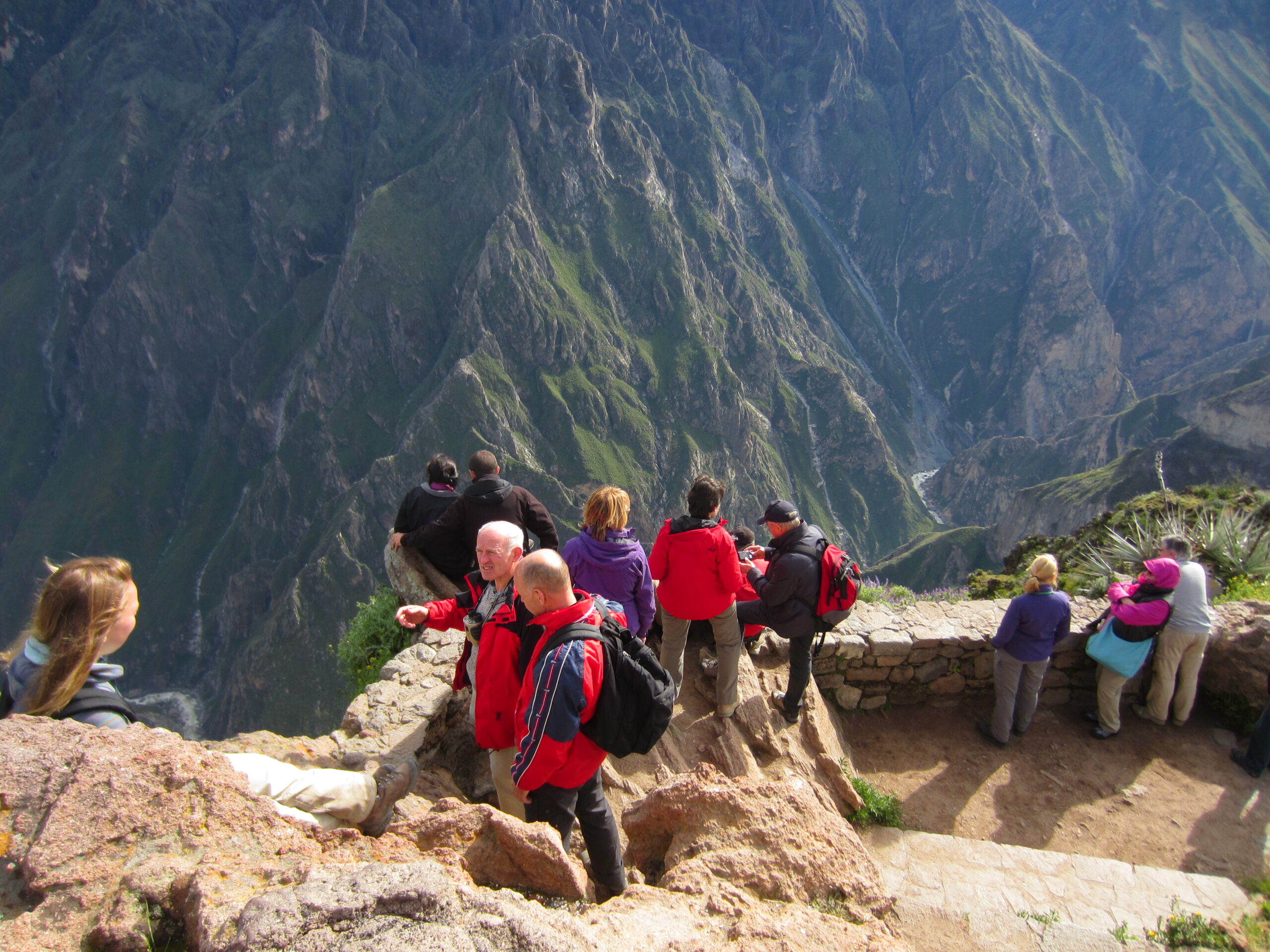
The Colca Canyon is the second deepest canyon in the world. It is twice as deep as the Grand Canyon, approximately 3400 meters at It’s deepest point and nestled within the Andes mountains of Peru, home of the condors

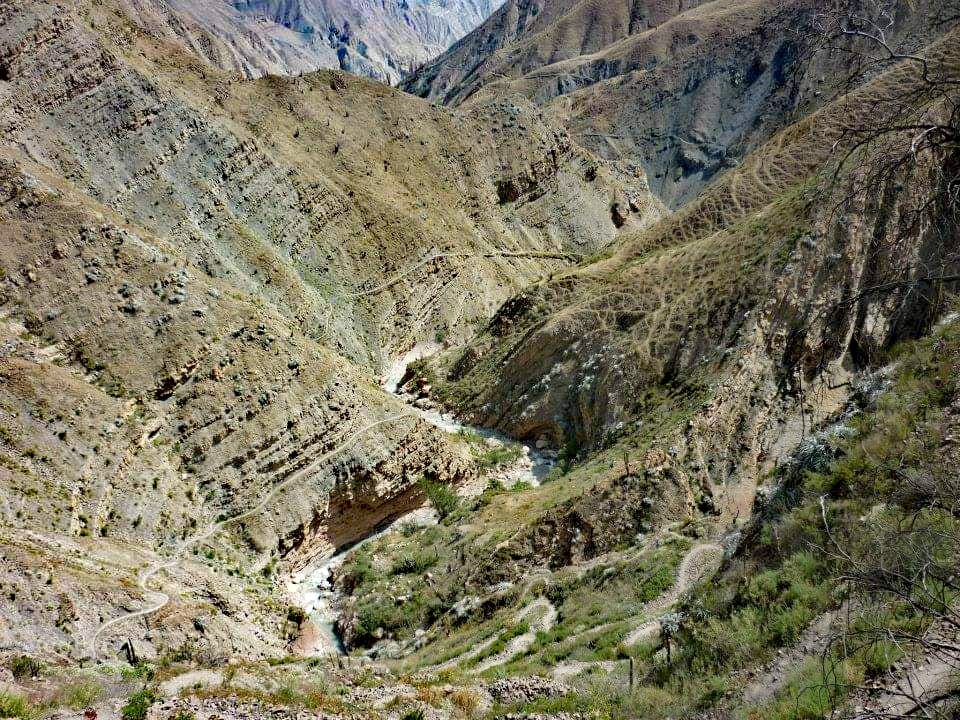
The Colca Canyon was formed by the erosion of volcanic rock caused by the Colca River. This Canyon is the ideal place for trekking inside the Canyon staying at San Juan de Chuccho, Sangalle (Oasis), Cosñirhua, Llahuar, Fure and Malata. You can also take another trekking routes through the Andean landscapes like: Canocota to la Calera hot springs, Chimpa fortress in Madrigal or Bomboya trek.

Trekking into The Colca Canyon:

Depending on your hiking plan you can start the adventure in Cabanaconde or Pampa San Miguel, both places are near to La Cruz del Condor viewpoint a highlight during the hike. Depending on tre route you will be amazed by the nature inside the Oasis, the waterfall in Huaruro or by the local people who will be always kind and happy to share their customs.

Colca Canyon Trek 2 Days:

There are two routes for trekking inside the Canyon on 2 days. The first one leaves from Cabanaconde going down directly to Sangalle (Oasis), this hike takes around 3 hours down on the first day and almost 3 and a half hour on day 2.

Another alternative is leaving from Pampa San Miguel, walking for around 3 hours to San Juan de Chuccho for having lunch and then continue hiking for another 3 hours to Sangalle. On day 2, the trek takes around 3 and a half hour up to Cabanaconde.

The food and accommdoation inside the Colca Canyon is basic, do not expect to sleep in a luxury resort or eating gourmed food.

Colca Canyon Trek 3 Days:

Best Treks in Peru

Find a list of the best treks in Peru, enjoy the nature in the Peruvian Andes with this best alternatives for adventure lovers:

Inca Trail:

Distance: 43 kilometers
Highest elevation point: 4,200 meters
Difficulty: moderate

The Inca Trail to Machu Picchu is one of the greatest trails in the world for multi-day treks. The classic route will take you through an impressive mountain landscapes, passing several Inca settlement ruins along the way, ending in Machu Picchu.

The trail begins with a light hiking, before ascending to the highest point on the second day – the Dead Woman Pass. The third day passes through the cloud forests of the Urubamba Valley before descending about 1,000 meters to the ruins of Wiñaywayna on a hillside of agricultural terraces. The last day is an early start to make the final journey to Machu Picchu, a 15th century citadel that represents one of the best buildings of Inca engineering.

The Inca Trail must be done in a guided group, and it is necessary to book several months in advance since spaces are always in high demand.

Lares Trek:

Distance: 33 kilometers
Highest elevation point: 4,780 meters
Difficulty: Moderate

The Lares Trail is one of the most popular alternatives to the Inca Trail in Cusco. It does not lead directly to Machu Picchu, but there is an option to take a train at the end of the hike. This route passes through some of the best scenery in the region – tropical forests, mountain passes, valleys and waterfalls.

The trail begins in the town of Lares, about 56 kilometers east from Machu Picchu. From the beginning, the scenic drive leads into the Andes, stopping at village settlements for visiting local farmers.

Like the Inca Trail, the second day of the trek to Lares is the most difficult, as it involves a sharp ascent to the highest point. The reward for conquering it is an incredible view at the top, and it gets easier after that.

Salkantay Trek:

Distance: 72 kilometers
Highest elevation point: 4,660 meters
Difficulty: Moderate-strong

If you are looking for a more challenging alternative to the Inca Trail for the trek to Machu Picchu, the Salkantay Trek is a perfect fit. The route is longer and harder.

The Salkantay Trek reaches the Llactapata archaeological site. These well-preserved ruins are believed to have been used for crop production and storage. The trail continues through the subtropical jungle and mountainous terrain to Aguas Calientes for a morning hike up to Machu Picchu on the last day.

Choquequirao Trek:

Distance: 64 kilometers
Highest elevation point: 3,050 meters
Difficulty: Moderate-strong

The Inca ruins of Choquequirao is similar in scale to Machu Picchu but much less frequented by tourists. It is believed to be one of the last bastions of the Inca civilization against the invasion of Cusco by the Spanish conquerors. The site can be reached by foot from the town of Cachora, approximately a three and a half hour drive west of Cusco.

Choquequirao is believed to be a larger complex than Machu Picchu, but only about 30% of the site has been excavated. It is one of the most remote Inca ruins. Along the way, the trail offers impressive landscapes of the river and the Apurímac canyon.

The Choquequirao Trail is much quieter than the Inca Trail and other popular hiking trails nearby. It is not uncommon to find the site completely empty of visitors.

Ausangate Trek:

Distance: 70 kilometers
Highest elevation point: 5,165 meters
Difficulty: Moderate-strong

The Ausangate trek does not have Inca ruins, but it is considered one of the most beautiful trails in Peru for its natural landscape. The multi-day route revolves around the sacred mountain of Ausangate, traversing high passes and snow-capped peaks, glaciers, and mountain lakes. It also passes through the famous Vinicunca, also known as the Rainbow Mountain.

Another highlight of the trip to Augansgate is the opportunity to immerse yourself in Quechua culture while stopping at the remote mountain villages along the way.

This is a challenging trek, mainly due to the constant high altitude – most of the route is above 4,000 meters.

Rainbow Mountain of Vinicunca:

Distance: 10 kilometers
Highest elevation point: 5,050 meters
Difficulty: Moderate

If you don’t have enough time for trekking 4 to 5 days you can still see the breathtaking Rainbow Mountain taking a day trip from Cusco. This involves a 5-6 hour hike, with an elevation about 1,200 meters on the ascent. With the summit at over 5,000 meters, acclimatization is essential for this as well.

Rainbow Mountain has earned both its name and fame for its striped and colorful appearance created by layers of sediment and minerals. It was only known in recent years after being discovered by a receding glacier.

Prepare for an early start and a late return. Day trips from Cusco usually leave at 3 in the morning, to make the three-hour trip to the starting point.

Moray and Maras:

Distance: 12 kilometers
Highest elevation point: 3,385 meters
Difficulty: Easy-moderate

Another great hiking option in the Sacred Valley combines the Inca ruins of Moray with the salt flats of Maras. This is a shorter and easier route that can be done in half a day.

After traveling from Cusco to Chinchero, you can drive through a dirty road to reach the archaeological site of Moray, which have been used as agricultural laboratories.

The hike from Moray to the Salineras de Maras follows a dirt road through the Andean farmlands through the small town of Maras, where you can stop for lunch. Then it is a gentle hike to a canyon full of thousands of small salt pools that have been used since the time of the Incas. It is a truly unique sight and offers something a little different than exploring the Inca ruins in the area.

Humantay Lake:

Distance: 3.5 kilometers
Highest elevation point: 4,250 meters
Difficulty: moderate

Humantay Lake is an idyllic turquoise lagoon located between the Humantay and Salkantay peaks. The lake is formed from melting glaciers and gets its striking color from mineral deposits.

The natural contrast of the water’s brilliance against the snowy mountainous is quite a spectacular image, and easily justifies the effort required.

Although the hike back to Lake Humantay is short, it requires a full day’s travel from Cusco, as the trail in Soraypampa is about three hours away by car. The ascent is short but steep, and at a high altitude.

Colca Trekking:

Distance: 25 kilometers
Highest elevation point: 3,300 meters
Difficulty: Moderate

The Colca Canyon is the second deepest canyon in the world, and twice as depth of its famous US counterpart, the Grand Canyon. A challenging two- or three-day hike descends deep into the canyon, along dirty roads, across bridges and villages, before making the morning climb back to the top.

The hike to the top involves an elevation of 1,300 meters and is best done before sunrise to avoid the heat of the day. It’s a relentless, unforgiving climb up a steep and stony road, but it’s worth all the effort to get some of the most incredible views you’ll find anywhere in Peru.

Hiking excursions to the Colca Canyon from Arequipa include the possibility of seeing huge Andean condors flying, and stops at the Achoma viewpoint, the Chivay hot springs and the Patapampa viewpoint.

Cotahuasi Canyon:

Distance: 32 kilometers / depends on the chosen route
Highest elevation point: 3,900 meters
Difficulty: Moderate

Another colossal canyon in Arequipa is the Cotahuasi, which offers a range of hiking options from day hikes to multi-day hikes. A typical three-day trekking itinerary includes the best of the canyon’s landscapes, passing towering waterfalls, sleepy towns, and Inca ruins. As in the Colca, there is also the option of visiting the nearby hot springs.

Cotahuasi is a quieter option than the Colca Canyon, with fewer tourists in the surroundings and more rugged terrain and off the beaten track. The 150 meter high Sipia Waterfall and the impressive canyon section below it is a highlight of the route. You will traverse a diversity of landscapes and walk on suspension bridges.

The trip from Arequipa to the town of Cotahuasi, the base for trekking in the canyon, takes a full day by a guided tour. There are sites of interest along the way, such as the pre-Inca petroglyphs of Toro Muerto. Alternatively, you can take a bus or van to the tow, which normally leaves Arequipa at 5pm and arrive around 4am the next day. As such, you will need to reserve several days for the adventure, but the reward is one of the most spectacular and remote landscapes in Peru in one of the largest canyons in the world.

Misti Volcano Trek:

Distance: 25 kilometers
Highest elevation point: 5,822 meters
Difficulty: Difficult

The view of the imperious peak of El Misti could not be missed from Arequipa. This huge and active volcano is the dominant feature of the skyline from the city of Arequipa streets. It is also one of the most accessible peaks in the world for trekking; At 5,822 meters, it is one of the highest points on the planet that can be reached by hiking without the use of specialized mountaineering equipment.

However, hiking at such an altitude is challenging, of course, and with a total elevation gain of about 3,500 meters on the classic two-day round-trip hike, this is a feat that requires both good shape and experience. The prize for completing it is a look at one of the tallest craters in the world and a hike along the volcanic ash at the top.

Hiking from Vilcabamba to Espiritu Pampa:

Distance: 64 kilometers
Highest elevation point: 3,900 meters
Difficulty: difficult

For experienced hikers looking for a challenge, the Vilcabamba Trek is an off the beaten track route that leads to the last capital of the Incas, Espiritu Pampa. This land deep in the jungle was chosen by the Incas as an impenetrable fortress when they withdrew from the Spanish invasion.

The trail explores the dense jungle and captures a unique insight into Inca history, passing fortresses and sacred sites that few people witness. The Espiritu Pampa complex was once the home of the last Inca ruler, Tupac Amaru II.

The walk begins in Huancacalle, which is about 250 kilometers and about six hours by car from Cusco. Finish in Azulmayo before a scenic drive to Kiteni, from where it takes seven to eight hours to get back to Cusco. Although technically it is possible to attempt the journey from Vilcabamba to Espiritu Pampa.

Alpamayo Base Camp:

Distance: 102 kilometers
Highest elevation point: 4,860 meters
Difficulty: Difficult

The long multi-day trek to Alpamayo Base Camp is considered one of the most spectacular routes in Peru, but it is not for the faint-hearted. With an average altitude of more than 4,000 meters, long days of activity, many steep climbs and nights of freezing cold, it is a challenging hike that requires high levels of fitness and experience.

The Alpamayo peak was once chosen by a survey of mountaineering experts as the most beautiful mountain in the world. Resembling an ice pyramid, it stands out in the impressive Cordillera Blanca. Its view is a highlight of a trip that offers incredible panoramic views of the entire mountain range.

Along this remote route you can expect to see a diversity of Andean wildlife and unspoiled landscapes, with very few hikers around. Fr doing this trek you will need to spend time in Huaraz acclimatizing with a few day hikes.

Aguada Blanca and Salinas National Reserve Preserves Extraordinary Fauna and Flora

Aguada Blanca and Salinas National Reserve is distinguished by the presence of the majestic Ubinas, Pichupichu, Misti and Chachani volcanoes in the southwestern part, and by the snow-capped Chuccura and Huarancante on the north side.

The high Andean plains, dotted with beautiful lagoons and wetlands, complete the icy landscape of most of the territory inhabited mainly by South American camelids and by a large number of terrestrial and aquatic birds, as certified by its designation as a RAMSAR site since 2003.
It was initially conceived as a place for the protection of vicuñas, but today it also represents the main water reserve in the city of Arequipa and its surroundings.

This unique ecosystem provides a valuable and irreplaceable environmental service: the winds that come from the Puno-Bolivian highlands cause rains, snows and hail, between October and April, which are retained by the yaretales, queñuales, pajonales and tolares, storing them in the wetlands, lagoons and in the subsoil. From there it is released slowly throughout the year, thereby regulating the hydrological cycle, for the benefit of the communities.

Flora and fauna

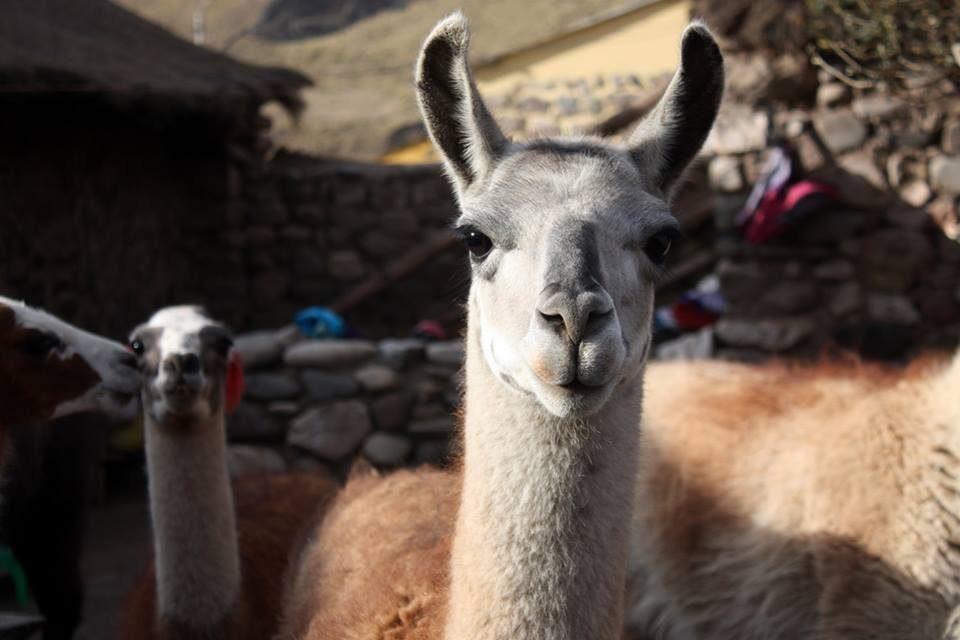
In the Reserve there are 37 species of mammals and 158 of birds. The presence of 5 species of reptiles, 4 of amphibians and 3 of fish has also been reported. The characteristic herbivores of the typical fauna of the puna are the South American camelids: Llama (Lama glama), alpaca (Lama pacos), vicuña (Vicugna vicugna) and guanaco (Lama guanicoe).
There are also tarucas (Hippocamelus antisensis), vizcachas (Lagidium peruanum), puma (Puma concolor), Andean cat (Oreailurus jacobita), the osjollo (Oncifelis colocolo) and the Andean fox (Pseudalopex culpaeus). Among the resident birds, the huallata or Andean goose (Chloephaga melanoptera) stands out for its abundance, the mountain duck (Anas specularioides alticola) and the flamingos or parihuanas (Phoenicoparrus jamesi, P. andinus and Phoenicopterus chilensis)
The flora is basically made up of 358 species of plants, among which the herbaceous and shrub species stand out. Among the main plant associations are the high Andean highland grassland, the desert scrub, the bofedales and the queñual.

Weather

Very low average temperatures are recorded, ranging between 2 ° and 8 ° C. It presents annual precipitation averages of 200 to 600 mm, mainly from January to March, a period in which 65% of the rains fall. During most of the year there are frosts that can reach -20 ° C.

Tourist routes

The Aguada Blanca and Salinas National Reserve has a network of roads that allow access to a large part of the protected natural area, as well as the circuit around it where its main attractions can be appreciated. These are: the Chachani, Misti, Pichu Pichu and Ubinas volcanoes, the Salinas lagoon, the Pampa del Confital, the rock formations of Mauca-Arequipa or those of Pillones and Puruña in Pampa Cañahuas, the Laguna del Indio, the rock paintings of Sumbay, several extensive wetlands, volcanic craters like Chucura and hot springs like Umalaso.
Likewise, within the area you can practice adventure sports such as trout fishing in authorized times, mountaineering in the spectacular volcanoes, cycling and hiking.

Whale Watching in Peru’s Northern Beaches

July is not only our national month, it also means the beginning of a unique tourist season that every Peruvian must do at least once in their life. We are talking about the whale watching season on the beaches of northern Peru, an exciting experience in which you will be able to see and feel the presence of these huge mammals that gather in groups to start their mating and reproduction process. On the tour you will enjoy its turns, jumps and spectacular sounds that will bring you closer to marine nature like never before. And you know what’s best? that this 2021 you will be able to do it with total safety because the northern beach destination has the international Safe Travels seal, which guarantees that in these destinations the health of visitors will be ensured as well as compliance with biosecurity measures against covid -19.

So would you like to do it? Here we leave you some basic information as well as an infographic so that you can include this activity in your next trip to the north. Attention, traveler!
When is the season to go whale watching?

The season begins in the fortnight of July and lasts until the end of October each year.


Where do you do whale watching in Peru?

On the beaches of the Piura and Tumbes regions: El Ñuro, Máncora, Cabo Blanco, Los Órganos and Punta Sal.


How is the whale watching tour in the north?

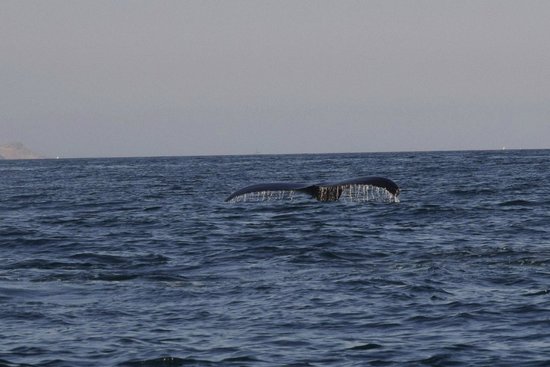
Although you can do whale watching from the coast, it is best to see them on the boat tours that private companies offer. It consists of a 3 and a half hour walk (including round trip time) that starts early in the morning and in which you must have a little patience to see these mammals in the water, but it is worth it! ! On the tour you will be enchanted by the imposing pirouettes and jumps of the humpback whales, movements that are associated with mating rituals.

It is estimated that more than 5 thousand specimens of humpback whales arrive from Antarctica, to offer us a beautiful marine spectacle on the beaches of Piura and Tumbes. And in addition to whales, you will be able to see sea lions, dolphins and sea turtles, who often approach the boats.

Colca Lodge Luxury Spa and Hot Springs

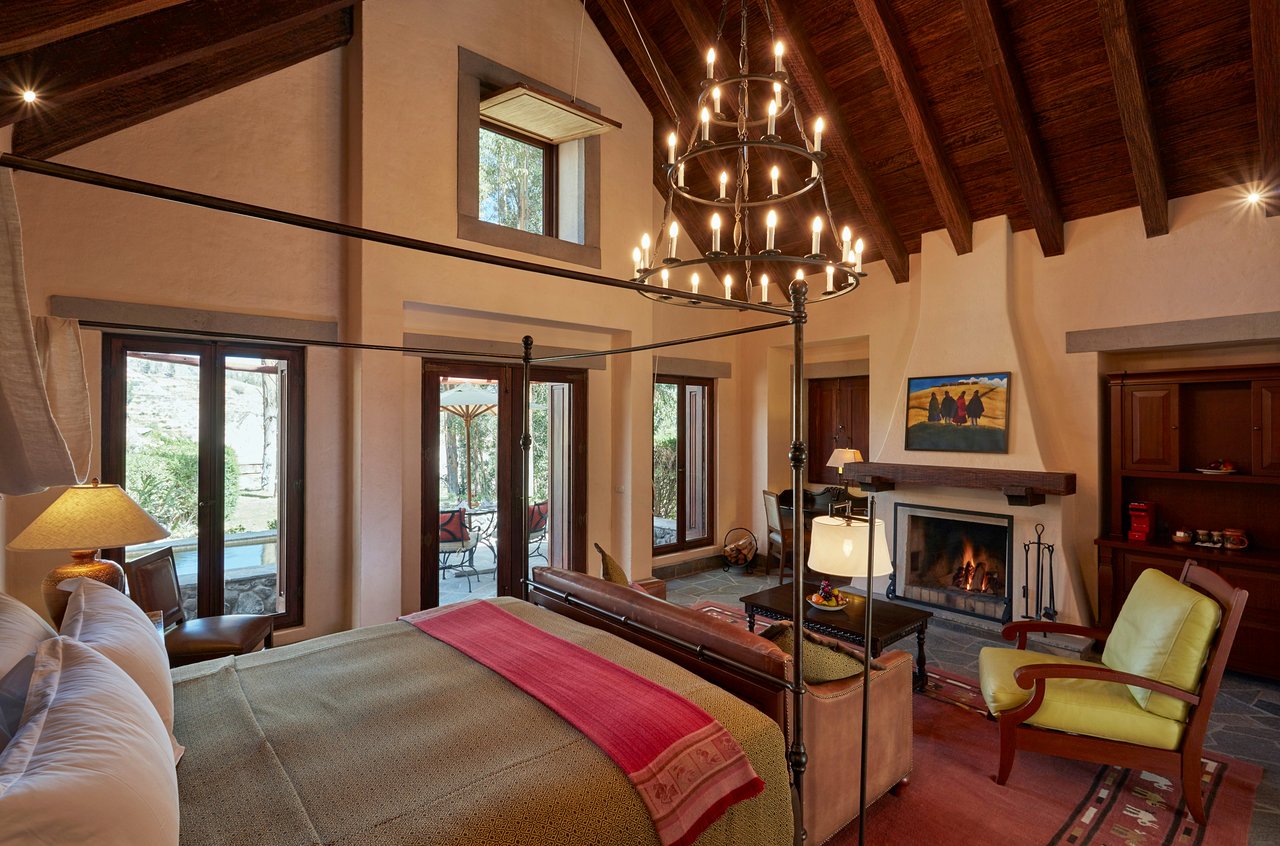
Travelers who are searching for a relaxing time in the Colca Valley can enjoy the nature in the Peru Andes at the Colca Lodge Spa & Hot Springs. Colca Lodge is located about a 3-hour drive from Arequipa in Peru, this eco-friendly lodge features an Andean deco with natural hot springs and a luxurious spa.

Colca Lodge, located on the banks of the Colca River, has been meticulously crafted, boasting a traditional architectural style that incorporates local elements such as stone walls, adobe, and thatched roofs. Its unique attraction is its own lithium-rich hot springs, which blend seamlessly with the landscape, offering relaxation and a connection with nature.

Colca lodge luxury Spa and hot springs features appropriate lighting that allows guests to contemplate the beauty of the starlit night. The facilities include a unique geothermal heating system. Hot water is provided by solar panels, and the lodge’s beautiful gardens are irrigated with water from its own treatment plant. The lodge also has a reforestation plan using native species. Furthermore, it has established an interpretation center and a unique exhibit of live alpacas.

Spa Eco Thermal

The hot springs whose water contains high levels of lithium is a relaxing element par excellence – the Spa Eco Thermal at Colca Lodge has been carefully designed to offer a unique experience, comfort and relaxation.

The Spa Eco Thermal at Colca Lodge starts all its therapies in its own pool – whether massages, coatings or facial treatments. This detail, together with an impressive view over the Colca valley as an incomparable natural backdrop, ensures that our guests enjoy an unequalled natural relaxation experience. This is then continued in the careful hands of our helpful staff.

Colca Canyon Lodge Hot Springs

At Colca Lodge Luxury Spa and Hot Springs you will have the good fortune to be surrounded by the most beautiful nature and hot springs.

The four pools, located on the banks of the river, are usually closed for a few days during the rainy season (January and February) when the river swells. They are fed by natural springs which produce water at temperatures of up to 80ºC and are rich in minerals that are beneficial to the health – notably lithium, an element that promotes relaxation.

The design of the pools has been carefully worked out so as to minimize interference with the natural surroundings.

Rooms

Colca Lodge has 45 rooms of a rustic style all of which have a view of the valley and the hotel’s gardens and patios. Most of them have a creative heating system employing heat-radiating stone slabs warmed by our own geothermal energy sources – with a minimum environmental impact.

With it’s simple decoration, thatched roofs, and some walls built of adobe, Colca Lodge offers 19 double and 17 triple or quadruple rooms 1 Family Suite, 1 Matrimonial Suite and 1 Panoramic Suite. We also have 6 “Adobe suites” – rooms of the “Junior Suite” type – tastefully decorated in tone with the surroundings and with relaxing terraces offering splendid views.

WIFI available in all our rooms and in common areas of the hotel.

If you’d like to experience Colca Canyon at a relaxed pace and stay at one of the region’s most iconic lodges, explore our Luxury Colca Canyon Tour with an overnight stay at Colca Lodge — designed for travelers who value comfort, nature, and authentic experiences.

👉 Discover our Colca Canyon Luxury Tour

Luxury Hotel Las Casitas del Colca Belmond

The luxury hotel Belmond Las Casitas is located in Yanque town, accessible from the city of Arequipa, is located just 20 minutes by car from the town of Chivay and very close to Yanque.

Slip into a gentle pace of life as you spend time in harmony with the astounding nature and warm local communities of this lush valley. The property is decorated with traditional touches, and equipped with every modern luxury including wifi and iPod docks in every casita. The Curiña restaurant offers flavorful dishes, and the Puccq’io bar serves up a tasty pisco sour.

Explore the vegetable garden, where organic produce is grown for the kitchens. It’s home to five natural greenhouses, a prickly pear orchard and numerous vegetable beds.

The small farm is also located on the property and is home to a number of animals, from horses, pigs and baby alpacas to guinea pigs.

Casitas with Valley View

These inviting 120 m2 hideaways echo the natural beauty outside. Spread out in the lounge, or pamper yourself in the marble bathroom, boasting indoor and outdoor showers. Your private terrace is complete with heated plunge pool and valley views.

Presidential Casita

Go all-out on indulgence and experience the ultimate in luxury. The 240 m2 Presidential Casita features a private terrace and heated pool, a spacious bedroom, dining room, lounge area with fireplace and generous bathroom.

Activities at Belmond Las Casitas

The luxury hotel Las Casitas del Colca Belmond offers a variety of actitivies for nature lovers. You can choose the ideal one for you to enjoy a nice time.

Peruvian Paso Horse Riding

Saddle up for a scenic ride into the lesser-known parts of the Colca Valley.

Accompanied by the expert guides, you’ll be led through pristine forest. The tour, available at a supplement, is available daily until 3pm and requires advance reservations.


Alpaca Feeding

Get to know our adorable resident alpacas. Las Casitas plays host to a small farm that houses rabbits and guinea pigs too.

Each day at 8:30am, 11:30am and 2:30pm, guests are invited to help our workers bottle feed the young alpacas. Why not come and meet our furry residents? You’ll also learn about the region’s sustainable farming practices.


Walks and Treks

With eagles soaring above and the ever-changing scenery, it’s easy to understand why Colca Canyon is considered a dream hiking spot.

Explore 14 hectares of undulating landscape, or keep it simple with a two-hour walk to Sifon.


Bird Watching

The skies of Colca Canyon hold many delights for bird watchers, from the world’s largest hummingbird to eagles, woodpeckers and the majestic Andean condor. Speak with our concierge, who will offer binoculars, maps and—most importantly—tips on the perfect viewing locations for every hour or season. For the most magical experience, head to Condor’s Cross at dawn to see the majestic Andean condor gliding along on the thermal air currents.


Cycling in Colca

Feel the rush of wind on your skin as you speed through the canyon on two wheels. There are a variety of routes to suit every thrill seeker and fitness level.


Cooking Classes

Set off on a culinary adventure with a Peruvian cooking class. Learn about distinct regional flavors from the expert chefs, then put the theory into action.

All ingredients are sourced from local fields for freshness and seasonality; taste each delicious creation afterwards.


Tea in the Orchard

Join in the orchard to learn about the rich health benefits of our local herbs. Select your favorite and we’ll serve it up as a refreshing and restorative tisane.


Trout Fishing

Whether you’re a novice or a pro, there’s nothing like catching your own dinner.

The trout pond adheres to the highest welfare standards and lets you enjoy simple rustic fishing at your own pace. Catch as many as you like, then hand them to our chefs who will prepare them as part of your lunch or nightly feast. Additional cost applies. Only available during the fishing season.

Pisco sour lessons

Master the art of preparing Peru’s iconic cocktail. Join our bartender for a fun complimentary class and you’ll soon be able to impress your friends with your skills. Daily at 5pm at Puccqio Bar.


Outdoor painting

Let us take you to one of the most scenic viewpoints to unleash your creativity. At the end of a fun session capturing the landscape, you’ll have a fabulous memento to take home.

Available daily on a complimentary basis. Advance reservations required.

Arequipa Volcanoes

Although Misti is the most poluar volcano in Arequipa, this is not the only one that accompanies the approximately 1,300,000 inhabitants of this region.

Next to the imposing Misti are the Chachani and Pichu Pichu volcanoes, but there are also others such as Coropuna, Sabancaya and the complex of small volcanoes in the province of Castilla.

The latter still keep a bit of the white mantle that more than 10 years ago characterized the three massifs. As a result of global warming, the snow-capped mountains of Misti Chachani and Pichu Pichu decreased considerably, but the most notorious was in Misti. However, during the rainy season, the crater still dons its white poncho to give a wonderful view to those born in this land and to look elegant to visitors.

The coordinator of the Ingemmet Volcano Observatory, Marco Rivera Porras, points out that volcanoes are “scenic beauties” that should be used as tourist attractions.

Rivera highlights that Arequipa settled in an excellent geology because it has a variety of soils thanks to the presence of volcanoes. In the districts of Yura and Cerro Colorado, the houses were founded on ashlar, in Characato on volcanic soils, which is why agriculture exists. “After thousands and thousands of years, the lands where the ashes were left become fertile,” he said.

Hot springs like those that exist in Yura are other wonders that arose from the presence of volcanoes. But what is the situation of these colossi in Arequipa?

Misti volcano

El Misti is an active volcano, which according to specialists and considering the eruptive periodicity that it had (every two thousand years), would have already erupted. However, it is still calm with the emission of light gases and it is for this reason that it is considered a dormant volcano.
To know the evolution of its behavior, the OVI specialists monitor the massif in real time with equipment that allows them to know the number of earthquakes that have occurred per day, the emission of fumaroles and the presence of gases.

Seven are the most active volcanoes in Peru, but Misti is considered the most dangerous because it has a million inhabitants at its feet.

Chachani volcano

The Chachani is a volcano considered potentially active, which according to Rivera does not rule out that it will erupt again at some point. “Its last activity was more than 40 thousand years ago and at the moment no gases are observed,” he said. However, to work on prevention, the OVI specialists will start the studies from the following year.
The concern arose from the thousands of people who settled on the slopes of this crater in recent years.

Pichu Pichu Volcano

It is the oldest of the aforementioned volcanoes and the chances of them being reactivated are minimal. This crater erupted millions of years ago, therefore it is not among the 12 active or potentially active volcanoes.


Sabancaya volcano

Unlike the others, this massif is not located in the capital of this region, but 75 kilometers northeast of Arequipa, in the province of Caylloma. This volcano is the second most active in Peru, after the Ubinas in Moquegua. The last eruption of the Sabancaya began on November 6, 2016 and is still active.
Domingo Ramos, an OVI specialist, points out that the population must learn to live with the volcano, as long as they have a contingency plan and respect the hazard map.

Coropuna volcano

In Arequipa the snow-capped Coropuna volcano is also present, it is the highest, the top is at 6377 meters. It is also considered potentially active and is located 150 kilometers from Arequipa, between the provinces of Castilla and Condesuyos. The snow-capped mountain always has a permanent ice cap.


Valley of the volcanoes

The valley of the volcanoes is in the province of Castilla. There are approximately 60 domes or small volcanoes that present a sight to behold, because they are between 300 and 1200 meters in diameter and the highest height would be 300 meters.
Rivera Porras points out that they may have eruptions, but not significant ones. Its last eruptions are presumed to have been more than 500 years ago.

This volcanic field is the main tourist attraction in the areas of Andagua, Orcopampa and Huambo, because the lava and volcanic stones that they expelled are still in place.

Birds in the Colca Canyon

The Colca Canyon is a paradise characterized by great ornithological diversity, with the “Andean condor”, the “perergrin falcon” or the “kestrel” as the most representative species.

The Andean condor is a species of bird that lives in the Andes mountain range and can be seen in all its splendor in the Colca Canyon, it is the largest bird in the entire Western Hemisphere.

It is primarily a scavenger bird, which feeds on carrion. It nests between 3,000 and 5,000 meters of altitude, generally in inaccessible rock formations. It is one of the longest-lived birds, being able to reach the age of 50 years.

Let’s see other birds that we find in the area:

Aquatic birds: They have morphological modifications for swimming and diving. Especially notable are the size of the legs and the shape and size of the beak, which are specially developed adaptations for the various types of existing diet.

They are found in lagoons, wetlands, and rivers. There are the Ajoyas or Gallaretas, Gallinetas, Ducks, Flamingos, Avocetas, Seagulls, Andean Geese or Huallatas, Bandurrias, Yanavicos and other small birds. All of them in close association with the water where they find sustenance and way of life.

Small birds: They are found in narrow streams and low shrubby areas, birds find good shelters that protect them from cold and wind, from insolation and offer them greater humidity and vegetation. Here we find the largest number of birds
small: Sparrows, Fringilos, Canasteros, Bandurritas, Pepiteros and Picaflores.
Giant Hummingbird: They have developed a unique feeding strategy. Hummingbirds have long beaks and an even longer tongue, which they introduce into certain tubular flowers, on which only they can feed. The plant attracts them with its color and offers them its
sweet nectar.

In return, hummingbirds carry pollen to other flowers in a phenomenon called pollination, which allows the flowers to fertilize.

Eagles: The Great Eaglet, the Common Eaglet and the Mountain Eaglet stand out, they are identified by their short tails and more or less rounded wings.

Hawks: They are similar to eagles but with a longer tail and a white spot on the rump. Young brownish eagles and hawks are known as “checks.”

Falcons: They are birds with long tails and thin, pointed wings, which are useful for high-speed flights, especially in a dive. Rare in the area is the peregrine falcon which is a migratory bird. The kestrel is a small hawk, the larger the retriever. They all nest in high places that are difficult to access.

Barn Owls: They are nocturnal and have a silent flapping, we find the Barn Owls, the Owls and the small Barn Owls, looking for prey. The first two are specialists in rodents and are their greatest source of control; the latter feeds mostly on insects and rodents, it also hunts during the day.

Owls receive the Quechua name of “Tucos”; It is an onomatopoeic word that recalls the sound they emit.

Nightjars: Also nocturnal, they are avid hunters of insects in flight. They have the ability to remarkably open their mouths, as they do not have the corners of their beaks joined like most birds.

They tend to rest in shady places during the day and their plumage presents one of the most perfect camouflages to blend in with the ground. They generally live at low altitudes and in sheltered places.

Medicinal Plants of Peru

Medicinal plants have accompanied humans since ancient times, there is no culture that has not developed its own medicinal flora, which is generally transmitted by oral tradition. Until a few decades ago the recognition of these plants was still part of the medical study and also of wide popular knowledge.

The increasing urbanization and consequent distance from the wild sources of medicinal plants has led to a growing ignorance of their natural presentation. Although most people believe they can recognize a medicinal plant by the shape of its leaves, its smell or other characteristics, the specific recognition of a plant is only possible if you have its sexual organs, that is, if you have its flower. This floristics of medicinal plants is little known although it would have a practical use by allowing us to recognize exactly that we are facing the medicinal plant that we are looking for and not against another species with similar characteristics of its leaves or stems.

A peculiarity of medicinal plants is that some of them have flowers of unusual beauty. In the following selection we show some flowers of medicinal plants that stand out in some cases for their wide use and in others for their variety and diversity of therapeutic uses, but at the same time they have inflorescences of particular and peculiar beauty. All the photos correspond to the botanical gardens of medicinal plants of the National Center for Intercultural Health (CENSI) of the National Institute of Health, in Lima, Peru.

These gardens are unique in their kind in our country as they preserve more than 500 different species of medicinal plants, most of them Peruvian, thus allowing their visitors not only to learn more about the traditional properties of plants but also to delight in the rare beauty of its flowers.

CEDRON (Aloysia citrodora Paláu)

Native South American shrub, also known as aromatic verbena, It was introduced to Europe since the 16th century. In popular medicine it is used in the form of an infusion as a stomach tonic and the treatment of indigestion. In traditional Peruvian medicine, broader uses are reported, including respiratory conditions as well as gastrointestinal. An antioxidant effect has been scientifically proven.

AGUAYMANTO (Physalis peruviana L.)

Native Peruvian plant, its fruit is known as cape gooseberry in the Amazon and in English as goldenberry, it belongs to the same family (Solanaceas) as the potato and tomato, it has spread throughout America and much of Africa, where it is grown commercially. In addition to its use in food, its antioxidant and antitumor effect in lung cancer has been proven.

ACHIOTE (Bixa orellana L.)

South American shrub known for its seeds that contain the pigment annatto or bixin widely used in the food industry. Its traditional, very wide uses, include from the ritual use of its coloring to the use of the leaves for their antimicrobial and antifungal properties.

CANTUTA (Cantua buxifolia Juss. Ex Lam)

National flower of Peru, in Inca times it was consecrated to the sun or Inti and for that reason its wide diffusion. The inflorescence was used in folk medicine against coughs and for inflamed eyes. The decoction of flowers and branches is used against diarrhea.

YAWAR PIRI PIRI (Eleutherine bulbosa (Mill.) Urb)

Traditionally used for fertility problems and gynecological diseases. Other traditional uses include it as a Vulnerary, plants used to treat superficial wounds and ulcers. Its antibacterial and antifungal effect has been demonstrated.

CAIGUA (Cyclanthera pedata (L.) Schrad)

Climbing plant native to the Peruvian coast and widespread in the Andean area of ​​all South America; well known for the nutritional use of its fruit, traditional uses are reported for liver diseases and diabetes. In popular medicine it is used in weight-reducing diets and blood pressure control.

GUANABANA (Annona muricata)

Native tree of Peru, widespread throughout South America, its fruit, also known as graviola, is widely known Its leaves and bark are traditionally used in a wide variety of digestive and respiratory ailments, in recent years a supposed anti-cancer effect has spread. There is no evidence of such an effect in humans, although antitumor effects are reported in animal tests.

YUCA (Manihot esculenta Crantz)

South American shrub, whose root, also known as cassava, is widely used as food. Its leaves are traditionally used for skin infections, itching, burns or eruptive diseases; other uses include it as an antiparasitic.

PASSION FRUIT (Passiflora edulis Sims)

Amazonian vine whose complex flower has given rise to various interpretations, including theological ones. Its fruit is used as a flavoring or to make refreshing drinks; Its dried leaves are traditionally used “for the nerves” with a calming or even hypnotic effect, it is also reported as an antipyretic and for skin problems.

CHACRUNA (Psychotria viridis Ruiz & Pav)

Native plant of the Peruvian Amazon is used as a purgative, but its most widespread use is in joint cooking with Banisteriopsis caapi (ayahuasca) to make the concoction used in the ayahuasca ritual. Its psychoactive properties limit its self-medication in traditional medicine, and it can be used only by traditional healers.